

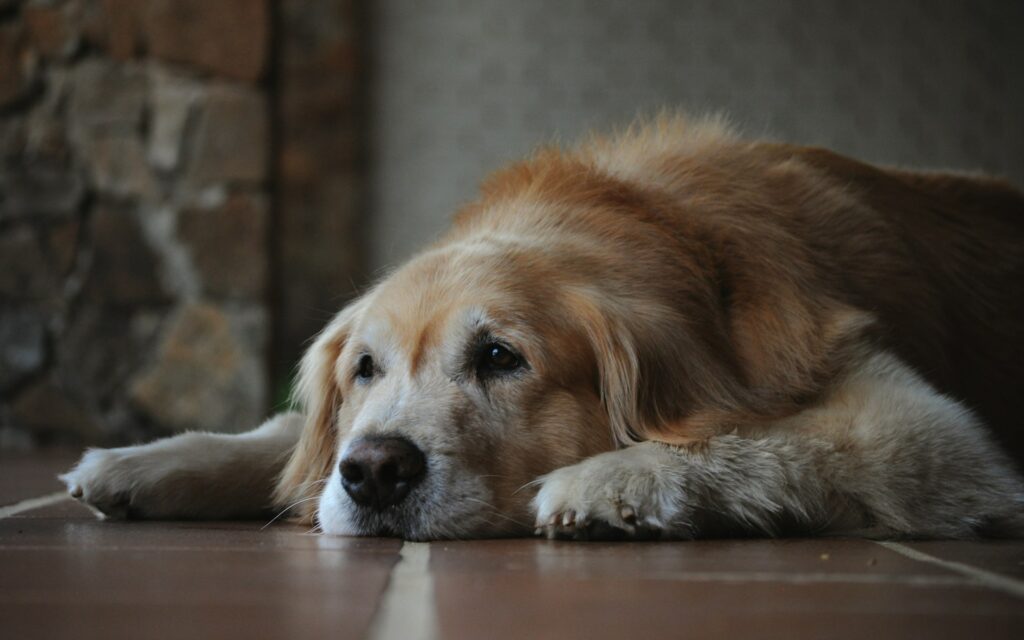
Keep Their Shine for Life: Why Aging Coats Need a Plan
At some point, you run your hand down your dog’s back and realize their coat does not feel quite the same. It is a little dull, a little thin in spots, or just not as soft and springy as it used to be. That change is common, but it is not something to shrug off as “just getting older.” It is your early signal that your dog’s coat care routine needs an update.
As dogs age, their skin and coat shift just like ours do. Natural oils slow down, shedding patterns change, and texture can get rough or wispy. Those changes often mean the old grooming schedule is no longer enough. With consistent, trusted grooming, we can help keep older dogs comfortable, clean, and confident, and that comfort can support them through their middle and senior years. Here in Atlanta, where we bounce from muggy summers to dry indoor heat, fall is a smart time to look at your dog’s coat and decide what needs to change before the cooler months settle in.
Reading Your Dog’s Coat: What Aging Looks Like
Aging shows up on the coat long before your dog acts “old.” The key is knowing what you are looking at and when it is time to ask for help.
Dullness is often the first sign. You might notice:
- Less shine, even right after a bath
- A matte or dusty look in certain lighting
- Coat that feels a bit dry or squeaky under your hand
This can come from decreased natural oils, going too long between proper baths, or sometimes from diet and health shifts. Dull coat plus flaking, odor, or lots of shedding should be a cue to tighten up grooming and talk with both your groomer and your vet.
Thinning looks different than normal shedding. Seasonal shedding usually means extra hair in the brush or around the house, but the coat still looks full. True thinning shows up as:
- More skin showing along the back or tail
- Sparse hair behind the ears or on the tummy
- Patchy areas that do not “fill back in” after a few weeks
If you see those changes, start keeping simple notes or photos so you can show your groomer and vet how things are changing over time.
Texture changes can sneak up on you. A once plush coat might feel wiry and brittle, or a curly coat can get too soft and limp, losing its structure. This can be related to age, hormones, humidity, harsh shampoos, or the wrong tools pulling at the hair.
Along with what you see, pay attention to behavior. These are red flags that coat and skin are not comfortable:
- More scratching or licking, especially at night
- Pulling away from the brush
- Flinching when you touch certain spots
- Restlessness when they usually relax during petting
Those small signs tell us it is time to adjust grooming, not back off from it.
Why Consistent Coat Care Matters More with Age
As dogs get older, their skin barrier gets weaker and their coat does not “self-maintain” as well. Dead hair hangs on longer, skin dries out faster, and normal dirt and oils build up. This is when regular, gentle grooming becomes more important than ever.
Clean, well-kept coats help:
- Reduce mats that pull at the skin and trap moisture
- Lower the chance of hot spots and minor skin infections
- Keep pressure points cleaner for dogs who lie down more
- Support joint comfort by avoiding heavy, tangled fur around legs and feet
Nail care matters too. Overgrown nails change how a dog stands and walks. For seniors, that can mean more strain on already stiff joints. Routine trims help older dogs move with better balance and less effort.
There is also an emotional side. Many older dogs relax deeply with a groomer they know and trust. Predictable visits, familiar scents, and gentle handling let them feel safe. A clean, soft coat makes it easier for them to enjoy cuddles, guests, and everyday life without itch, odor, or discomfort.
We like to think of it as building a coat care team: you at home and a professional groomer who sees your dog on a regular basis. Together, you can catch small changes early and adjust before there are big problems like full-body matting or painful skin.
Fine-Tuning Grooming Routines by Coat-Aging Signs
Once you spot dullness, thinning, or texture changes, you can fine-tune your dog’s routine instead of waiting for things to get worse.
For dullness, focus on:
- Adjusting bath frequency so they are not going too long between professional baths
- Using more moisturizing shampoos and conditioners that respect the skin
- Adding gentle brushing between visits to spread natural oils
- Asking your vet if diet tweaks or supplements might help overall skin health
For thinning, the goal is to protect what hair they have while you and your vet figure out the cause:
- Switch to softer brushes and shorter, more frequent brushing sessions
- Use gentler drying methods and avoid super hot air
- Avoid over-bathing, which can strip fragile coats
- Ask your groomer for a lighter touch and styles that keep coverage without stressing the hair
Any bald spots, redness, strong odor, or sores should always be checked by a vet before making big grooming changes.
When texture shifts, your groomer can adjust clip lengths, styling, and products to support healthier regrowth. For example:
- Double coats might be brushed more and clipped less to protect natural insulation
- Curly coats may need slightly longer lengths to reduce breakage
- Silky or fine coats might do better with lighter conditioners and careful combing
As we head into cooler, drier months, many dogs benefit from a plan that focuses on both insulation and hydration. That means keeping enough coat to stay comfortable, keeping the skin clean, and using products and routines that fight indoor heat dryness without letting dirt and odor build up.
Partnering with Your Groomer for a Long-Term Coat Plan
You do not have to guess your way through coat changes. A trusted groomer can help you shape a long-term plan that grows with your dog.
When you bring your dog in, share:
- New shedding patterns or spots that look thin
- Any dandruff, odor, or areas your dog licks or scratches
- How your dog is handling brushing at home
- Any vet updates, medications, or allergies
From there, a custom coat care plan might include:
- Ideal visit frequency based on age, coat type, and lifestyle
- Seasonal tweaks for Atlanta humidity and indoor heating
- Specific shampoos, conditioners, and leave-ins that suit your dog
- Coat length goals that balance comfort, look, and easy upkeep
- A short at-home brushing plan you can realistically maintain
Seeing the same groomer regularly builds trust for your dog and creates a record of what “normal” looks like as they age. Many groomers keep notes and before-and-after photos, which makes it easier to spot slow changes in coat quality or skin.
Membership models, like a bath or coat care club, can make these preventative, routine visits feel simple instead of stressful. When visits are already part of your schedule, you are less likely to put groomings off until things get overgrown or matted.
Building Healthy Habits at Home Between Appointments
The best coat care happens when home habits and professional grooming support each other.
A simple weekly at-home routine can be:
- A quick, happy brushing session, focusing on friction spots like behind the ears, under the collar, and the tail base
- A paw and nail look-over, checking for cracks, chips, or long nails
- A gentle eye and ear wipe, following your vet’s guidance
- A “feel test,” running your hands over the body for lumps, mats, or tender spots
Keep it low-stress by choosing quiet times, using great treats, and stopping while your dog is still relaxed. Short and sweet is better than rare, long marathons, especially for nervous or arthritic dogs.
Different coats need different attention:
- Short coats often need regular brushing for circulation and shine, plus routine baths
- Double coats need consistent de-shedding and careful handling to protect their undercoat
- Curly coats do best with frequent brushing and regular trims to avoid tight mats
- Silky or fine coats benefit from gentle tools and consistent, light brushing
When you stick to easy habits, grooming visits tend to be smoother and faster. The dog is less tangled, more familiar with handling, and less stressed by the whole process.
Make a Coat Care Promise to Your Future Senior Dog
Take a slow look at your dog’s coat today. Notice the shine, thickness, texture, and how they react when you touch and brush them. Then make one small change that supports their future self, maybe tightening up the grooming schedule, planning a seasonal coat check, or putting a weekly brushing reminder on your calendar.
By keeping up with coat care throughout every life stage, you give your dog something priceless: easier movement, softer naps, and calmer, happier cuddles as the gray hairs come in. Aging signs in the coat are not a signal to give up; they are an invitation to lean in with steady, loving care from people your dog knows and trusts. As groomers who have bathed many dogs into their senior years here in Atlanta, we can tell you, those habits pay off in every gentle tail wag and relaxed sigh on the grooming table.
Keep Your Pet’s Coat Healthier Starting Today
If you are ready to give your pet a healthier, softer, and cleaner coat, our team at Coatly Bath & Groom is here to help. Explore our expert coat care services to find the right routine for your dog’s unique needs. Have questions or need a personalized recommendation before booking your visit? Just contact us and we will guide you step-by-step.