

How to Choose a Groomer You Can Trust
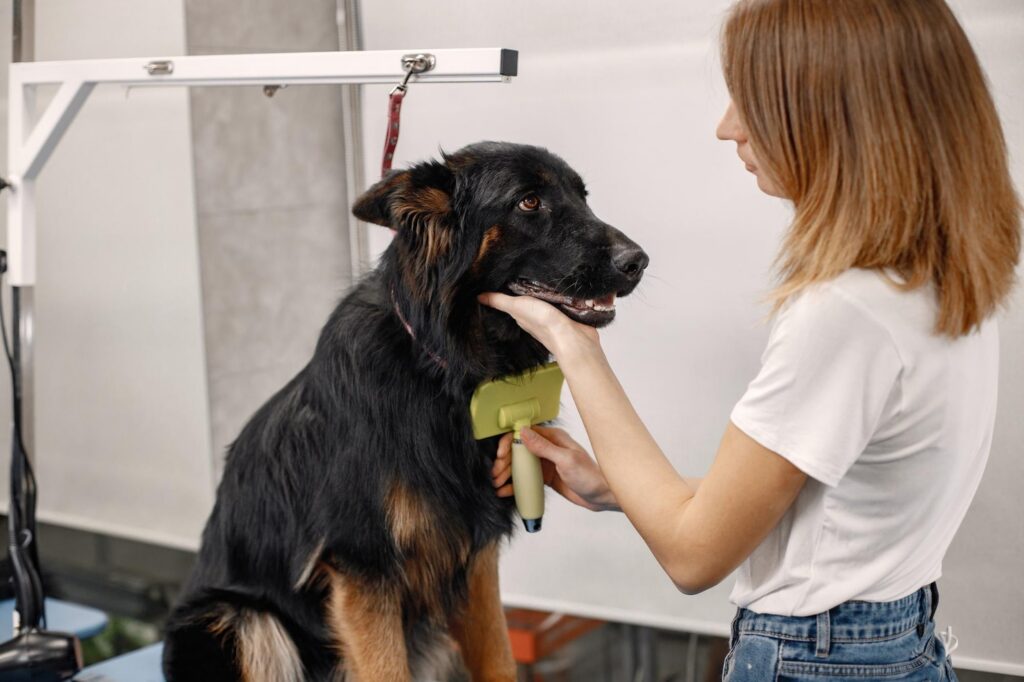
Choosing the right groomer is about much more than a cute haircut. Good coat care supports your dog’s comfort, skin health, and overall happiness for its whole life. The hands that bathe, brush, trim, and handle your dog on a regular basis become a big part of their wellness routine.
We see the difference every day. Dogs who come in on a steady schedule, with a groomer they know, walk in relaxed and leave wagging. Dogs who only come in when things are desperate, with mats, overgrown nails, and past bad experiences, are often stressed before we even start. Our goal here is to help you find the kind of groomer your dog can trust for years, by spotting red flags, understanding certifications, and asking smart questions. Early summer is an especially good time to dial in a coat care plan, since more outdoor fun usually means more shedding, more dirt, and more chances for tangles.
Why Consistent Grooming Is Health Care, Not Just a Haircut
Regular grooming is like routine dental care or yearly vet visits. It helps prevent problems instead of only reacting when something is wrong. A healthy coat is clean, free of mats, and allowed to do its job, which is to protect your dog’s skin and help with temperature control.
Good coat care usually includes:
- Baths on a schedule that fits your dog’s coat and lifestyle
- Thorough brushing that reaches the skin, not just the top layer
- Nail trims that keep paws comfortable and joints supported
- Ear cleaning that keeps wax, moisture, and odor in check
When the same person works with your dog often, they notice changes early. That might be a new lump, a sore spot, red skin between toes, or a hot spot starting under a thick coat. Catching things sooner means your vet can address them before they turn into bigger issues.
Consistency also helps your dog feel safe. When your pup sees the same friendly faces, hears the same calm voice, and follows the same routine, grooming feels predictable. Over time, many dogs relax so much that grooming day feels like another normal part of life, like walks or meals. In warm, humid weather, that clean, maintained coat helps prevent mats that trap moisture, which can lead to itch, odor, and discomfort, especially for active outdoor dogs.
Red Flags That Say “Keep Looking”
Before you book, pay attention to what you see, hear, and smell. The grooming space does not have to look like a fancy spa, but it should feel safe and cared for.
Watch for environmental and safety red flags like:
- Strong chemical odors that make it hard to breathe
- Dirty tubs, tables, or floors that look like they have not been washed in a while
- No visible fresh water for dogs who are waiting
- Overcrowded lobby with dogs pulling, barking, and no one guiding them
Handling and communication matter just as much. Be cautious if:
- Staff seem rushed, rough, or impatient with dogs
- No one asks about your dog’s health history, allergies, or sensitivities
- They give vague answers about how long your dog will be there
- They cannot clearly explain how dogs are secured, dried, and supervised
Policy red flags include no vaccination requirements, no consent forms, no clear plan for emergencies, or a refusal to let you see, even briefly, the general grooming area from a safe distance. For coat care, be wary of groomers who want to shave every dog very short without talking through the pros and cons for your specific dog, ignore signs of skin irritation, or brush off your questions about shedding, matting, or what products they use.
What Certifications and Experience Really Mean
There are different grooming certifications and memberships that show a groomer has taken time to study technique, safety, and handling. Some also complete pet first aid or CPR classes, which is always a plus. These signs tell you that the groomer cares about learning and about doing things the right way.
That said, certificates on the wall are only part of the story. Hands-on experience, a gentle touch, and a calm, dog-centered approach are just as important. Puppies, seniors, and anxious dogs need a groomer who can slow down, read body language, and adjust their plan to keep stress low.
When you review a groomer’s background, look for:
- Photos that show clean, comfortable dogs, not just extreme makeovers
- Reviews that mention patience, clear communication, and kindness
- Language that focuses on coat health and hygiene, not only fashion.
A groomer who asks about your dog’s routine, diet, allergies, past grooming, and any scary experiences is doing more than filling time. They are building a long-term care plan instead of treating your visit as a one-time transaction.
Smart Questions to Ask Before You Hand Over the Leash
A good groomer will welcome questions and answer them with clear, simple explanations. If someone gets defensive or annoyed, that is information too.
Here are smart safety and handling questions:
- How do you handle anxious or fearful dogs?
- Do you use crate or kennel drying, and how are dogs monitored?
- What happens if my dog shows signs of stress or pain?
Coat care and product questions might include:
- How often do you recommend baths for my dog’s coat type?
- What shampoos and conditioners do you use, and are they suited for sensitive skin?
- How do you handle severe matting without traumatizing the dog?
For routine and communication, ask:
- Will my dog see the same groomer each visit?
- How do you keep me updated during the groom if something changes?
- Can you help me plan a maintenance schedule for bathing and grooming?
Bring a simple checklist to your first visit and notice the groomer’s attitude. Do they take time with you? Do they bend down to greet your dog kindly? That energy tells you a lot about how they will care for your dog when you are not there.
Building a Year-Round Coat Care Routine
The best results come when professional grooming is paired with small, steady habits at home. Between visits, focus on:
- Regular brushing suited to your dog’s coat
- Quick checks of ears, paws, and tail area
- Keeping nails in a healthy range with safe, frequent trims
In summer, dogs often spend more time outside. That can mean more baths for active pups, more frequent brushing to stay ahead of shedding, and quick checks for burrs or foxtails hiding in feathering or long fur. On thicker coats, watch for warm, moist spots that seem itchy, especially after swimming or rain, and let your groomer and vet know if you notice changes.
Habit is your friend. Booking the next grooming visit before you leave, adding reminders to your phone, and sticking with the same trusted groomer help your dog build confidence. Over time, your groomer becomes part of your dog’s wellness team, along with your vet, keeping skin, coat, and hygiene in good shape. Here in Atlanta, where heat and humidity can be tough on coats, that stable routine makes a big difference in your dog’s comfort.
A groomer you trust, paired with consistent care, gives you a clean, soft dog who feels good in their own skin, season after season. At Coatly Bath & Groom, we build those long-term relationships through gentle, routine-focused care so you and your dog can enjoy calmer, happier grooming days for years to come.
Support Your Pet With Healthier Coat Care Today
If you are ready to give your pet a softer, healthier coat, our team at Coatly Bath & Groom is here to help with dedicated coat care services tailored to their needs. We take the time to understand your pet’s skin, coat type, and lifestyle so every session is as gentle as it is effective. Reach out anytime through our contact page to schedule a visit or ask questions about the best routine for your pet. Let us partner with you to keep your pet comfortable, clean, and looking their best.