

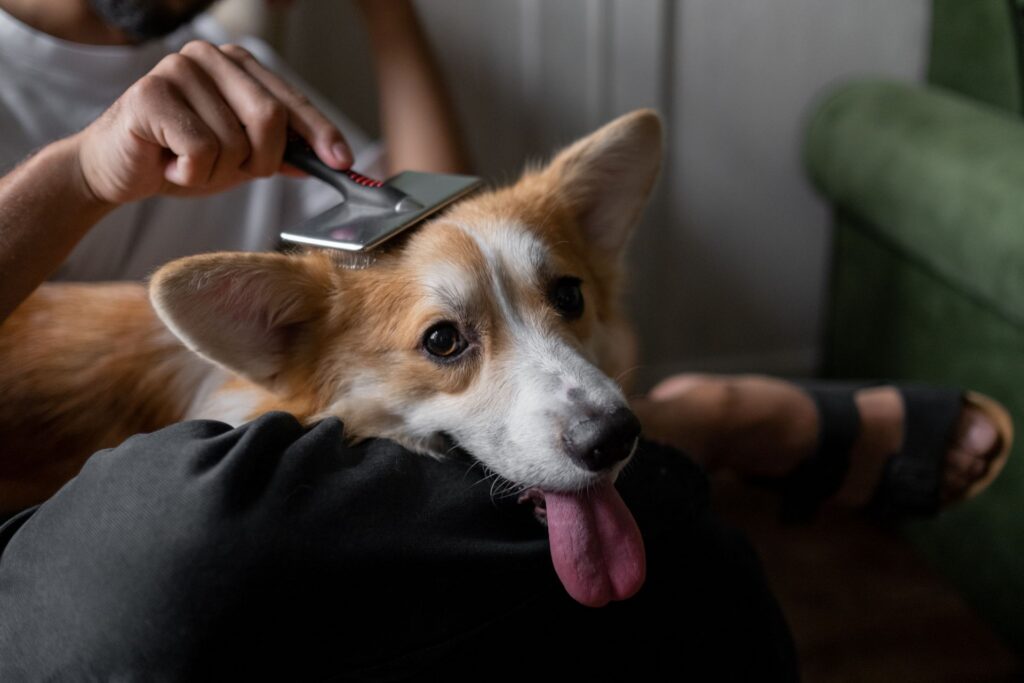
Calm, Clean, and Confident: Helping Anxious Dogs Love Grooming
Living with dogs for decades has taught me one big truth: every dog can learn to feel good about grooming when the right habits, handling, and people are in place. Grooming is not just a beauty treatment; it is a core part of your dog’s health and comfort, and it is so much easier when your pup feels safe in caring hands.
Many dogs get nervous when they see a brush, hear running water, or feel a dryer turn on. They might hide, shake, or try to jump out of the tub. That stress can make coat care hard for both you and your pup, and it can tempt us to put grooming off “for another day.”
Fear around grooming is very common. It can come from rough handling in the past, loud sounds, slippery floors, or simply not being used to brushing and baths when they were young. The good news is that behavior can change with patient training, the right routine, and support from a groomer you know and trust.
When you pair gentle, thoughtful grooming with a steady schedule, dogs learn that brushing, baths, and dryers are just part of normal life. Routine coat care becomes a calm, happy time instead of something everyone dreads.
We will walk through why gentle coat care matters, how to set up a safe space, and simple, step-by-step ways to help anxious dogs relax. We will also show how working with a trusted grooming partner makes it easier to stay on top of regular grooming appointments so your dog’s coat stays healthy all year long.
Why Gentle Coat Care Matters for Your Dog’s Health
Coat care is not just about looking cute. A healthy coat helps keep your dog comfortable, clean, and confident. When we keep up with grooming on a routine schedule, we can often catch little problems before they turn into big ones.
Regular coat care helps with things like:
- Preventing mats that pull on the skin and trap moisture and heat
- Reducing hot spots and itchy, irritated areas
- Spotting fleas, ticks, lumps, or sore spots early
- Keeping natural skin oils spread evenly through the coat
- Cutting down on loose hair around your home by controlling shedding at the source
Anxious dogs are the ones who most need routine, but they are often the first to have baths and brushing delayed. When grooming gets skipped or rushed, it can lead to:
- More shedding and loose hair stuck in the coat
- Tangles that turn into tight, painful mats
- Smelly, damp fur that never fully dries
- Itchy skin that makes handling feel even worse next time
When the dog feels stressed, people tend to hurry. When people hurry, the dog feels more stressed. That cycle is tough on everyone and makes each grooming session harder than the last.
Gentle, consistent handling breaks that pattern. Whether it is at home with you or with a groomer you trust, your dog feels safer when the same calm hands care for them on a regular schedule. Instead of waiting until the coat is a mess and the dog is miserable, it is far kinder, and easier, to stick to a steady maintenance plan with frequent, shorter grooming and bathing visits.
A trusted groomer can help you build this plan, suggest how often your dog should come in based on coat type and lifestyle, and coordinate those visits with the brushing, bathing, and paw care you do at home.
Laying the Foundation: Safety, Trust, and Calm Energy
Before we talk about step-by-step training, we need the right setup. A relaxed dog starts with a relaxed space and relaxed humans. A predictable, cheerful grooming routine at home makes every professional grooming appointment smoother.
At home, try to:
- Choose a quiet room away from loud TVs, slamming doors, and busy hallways
- Use a non-slip mat in the tub or sink so paws do not slide
- Keep grooming tools, brushes, combs, nail tools, shampoo, in a small basket so you are never scrambling while holding your dog
Watch your dog’s body language closely. Relaxed signs include:
- Soft eyes and a loose mouth
- A tail that rests naturally or gives easy, happy wags
- Easy breathing and wiggly, relaxed muscles
Stress signs to slow down for:
- Whale eye, where you see the whites of the eyes
- Lip licking, yawning out of context, or stiff posture
- Heavy panting when it is not hot
- Trying to move away or freeze in place
A consent-based style with dogs works wonderfully for grooming. That means we let them:
- Sniff the brush, towel, or dryer before we touch them with it
- Step onto a mat or into a tub on their own whenever possible
- Take short breaks instead of being held still for long periods
Have high-value treats ready, things your dog only gets for grooming. Many pups love:
- Tiny pieces of soft, smelly treats
- Lick mats with spreadable snacks
- Frozen goodies they can enjoy after the bath
Professional groomers who care about behavior will mirror this low-pressure, reward-based approach. Look for a groomer who is happy to go slowly with anxious dogs, explains what they are doing, and helps you keep a steady schedule of shorter, positive appointments instead of long, overwhelming ones.
Step-by-Step Desensitization for Brushing, Baths, and Dryers
Desensitization means going slowly and building happy associations. Think in terms of weeks, not days. If your dog is anxious, small wins matter, and consistency is everything.
Brushing Steps
Regular brushing is one of the best habits you can build. It keeps coats free of tangles, spreads natural oils, and makes full grooming visits faster and easier.
- Step 1: Show the brush at a distance. If your dog glances at it and stays relaxed, praise and treat, then put the brush away before any worry starts. Do this once or twice a day for a few days.
- Step 2: Bring the brush close and gently tap it to the shoulder or chest for one second, then treat. No actual brushing yet. Repeat until that feels boring and your dog happily leans in.
- Step 3: Add one or two soft strokes, then treat and stop. Over several short sessions, slowly increase the number of strokes while your dog stays loose and comfortable.
- Step 4: Work up to brushing different areas, neck, back, sides, and tail, in quick, cheerful sessions several times a week.
When brushing becomes a normal, pleasant part of the daily or every-other-day routine, your groomer can focus on tidying, trimming, and detailed work instead of fighting through heavy mats.
Bath Steps
Clean skin and coat are key to comfort. Routine baths with the right products help control odor, reduce itchiness, and keep the coat easy to manage between grooming appointments.
- First, reward your dog just for walking into the bathroom or near the tub, no water involved. Toss treats on a non-slip mat and keep sessions short.
- Next, add the sound of running water in the distance. Turn the water on for a few seconds, feed treats, then turn it off. Over time, move closer.
- Before a full bath, use a damp cloth to wipe paws, legs, or chest so your dog gets used to the feel of water in tiny doses.
When you are ready for a real bath, use warm, not hot, water, talk in a steady, upbeat voice, and keep it quick. Focus on getting in, washing gently, and getting out without drama.
Make post-bath time extra fun, towel rubs, praise, and a special treat, so your dog starts to look forward to the whole routine.
Your trusted groomer can help you decide how often your dog needs professional baths based on coat type, lifestyle, and skin needs, and how often you should bathe at home in between.
Dryer Steps
Drying is especially important for double-coated, curly, and long-haired breeds. Fully drying the coat helps prevent damp odors, skin irritation, and matting.
- Start with the dryer turned off. Let your dog sniff it, then treat. Put it away.
- Next, turn the dryer on in another room for a few seconds while feeding treats in a quiet spot. Slowly shorten the distance over several days.
- When your dog can handle the sound nearby, switch to low speed and cool air. Aim the air at the shoulder or side first, not the face or ears.
- Work up to brief full-body drying, but stop before your dog starts to stress.
Many professional groomers use specialized dryers and techniques that keep anxious dogs as comfortable as possible. If your dog is very sensitive, talk with your groomer about slower drying, lower settings, or towel-drying combined with extra brushing.
If your dog backslides or suddenly gets scared at any step, simply step back to an easier level and build up again. This patient mindset, combined with a reliable grooming schedule, helps fearful pups learn that grooming days are just another normal, safe part of life.
Building a Stress-Free Coat Care Routine All Year Long
Once your dog is calmer with each part of the process, it is time to lock it in with a simple, repeating routine. Short and steady is better than long and rare. Think of coat care the way you think of brushing your own teeth, a habit, not a one-time event.
A typical coat care rhythm might look like:
- Quick brushing daily or every other day
- Baths about once a month or as recommended for your dog’s coat and lifestyle
- Extra brushing during heavy shedding periods
- Regular paw, belly, and rear-end cleanups after muddy walks or park days
- Standing grooming appointments every 4 to 8 weeks, depending on coat type
The more predictable it is, the safer it feels for your dog. Try:
- Same time of day when possible
- Same grooming tools
- Same calm, upbeat words and cues
Create a little ritual:
- Light walk or play to take the edge off energy
- Brushing or bath session
- Then a special treat or cuddle time on the couch
Over time, your dog starts to recognize the pattern and relax into it. Regular at-home grooming makes professional visits smoother and shorter. Regular professional grooming, in turn, keeps your at-home routine easy and enjoyable.
If you feel unsure about how often to book grooming appointments or what to do between visits, lean on a groomer you trust. A good grooming partner will:
- Help you create a maintenance schedule that fits your dog
- Keep detailed notes about what your dog likes and dislikes
- Use gentle, low-stress handling and positive reinforcement
- Work with you over months and years to keep your dog’s coat, skin, nails, and ears in great shape
When your dog is cared for by the same kind, practiced hands, yours at home and your trusted grooming team’s in the salon, grooming stops being scary and starts feeling like a natural, happy rhythm. With patience, routine, and a little planning, anxious dogs really can learn to feel calm, clean, and confident every time it is grooming day.
Give Your Pet’s Coat the Expert Care It Deserves
If you’re ready to keep your pet’s skin and fur healthier between grooming visits, explore our tailored coat care solutions designed to fit their unique needs. At Coatly Bath & Groom, we focus on gentle, effective methods that support long-term comfort, shine, and overall well-being. Have questions or want help choosing the right routine for your pet’s breed and lifestyle? Just contact us and we’ll guide you step by step.