

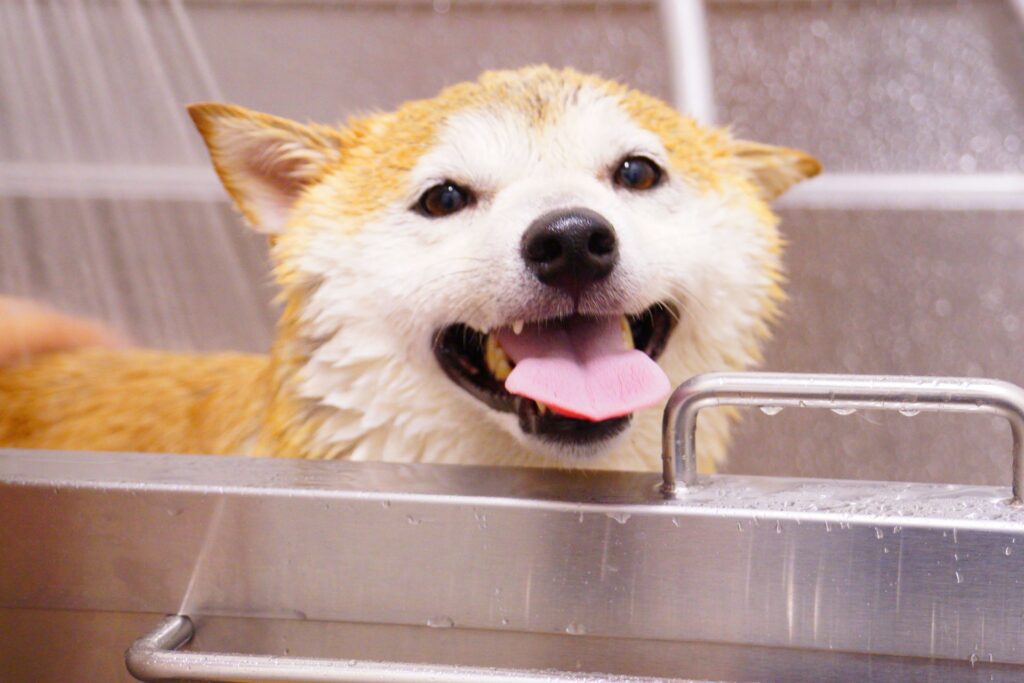
Keep Your Dog’s Skin Happy, Not Stripped
Giving your dog a bath feels like an act of love. They come out fluffy, they smell good, and your home feels cleaner. Then, a few days later, the scratching starts. The skin gets flaky, the coat looks dull, and that doggy smell is already back. Many caring dog parents respond by bathing more often, which actually makes the problem worse.
Dogs need clean coats and healthy skin, but too many baths or the wrong products can damage the skin barrier. That outer layer is what keeps moisture in and irritants out. When it is stripped, your dog is more likely to itch, smell, and develop hot spots. In this post, we are sharing clear, real-world guidance: how often to bathe by coat type, how to choose safe products, when medicated shampoos make sense, and early warning signs that your dog’s skin is in trouble. As Coat Pros in Atlanta, we care a lot about building low-stress, routine grooming habits with groomers you and your dog know and trust.
Why Consistent Grooming Beats “Emergency” Baths
Many dogs only get a bath when they are smelly, matted, or really dirty. That “emergency” pattern is stressful for everyone. Long, intense grooming sessions are harder on your dog’s body and nerves, and they are harder on your schedule too. Dogs do best with shorter, predictable visits that feel familiar and safe.
It also helps to remember that grooming is more than just a bath. A healthy routine includes things like:
- Brushing and combing
- Nail trimming and paw checks
- Ear cleaning and monitoring
- Sanitary and paw pad tidying
- Quick skin and coat checks
Regular visits create a helpful feedback loop. When the same groomer sees your dog on a schedule, they start to notice small changes early, like new lumps, red spots, extra ear gunk, or changes in coat texture. That makes it easier to get your veterinarian involved before things get bigger or more painful.
A dog bath in Atlanta can be extra tricky. Heat, humidity, pollen, and red clay can all stick to your dog’s coat. That mix can lead to itchiness, odor, and skin irritation if it is not managed with steady care. Consistent grooming with a trusted local studio helps prevent “crisis cleanups” and keeps your dog more comfortable year-round.
Bath Frequency by Coat Type, Season, and Lifestyle
There is no one perfect schedule that fits every dog. Coat type, activity level, and season all matter. Here are general ranges many dogs do well with, along with reasons you might adjust.
Short-haired and smooth coats
These are dogs with sleek coats that lie close to the body and do not mat easily.
- Typical range: every 4 to 8 weeks
- Adjust sooner if they get oily or smelly, roll in the yard, or swim a lot
- Focus on regular brushing and skin checks between baths
Because their coats are short, it can be tempting to bathe them often. But over-bathing can dry their skin and actually make odor come back faster.
Double coats (shepherds, huskies, retrievers)
These dogs have a soft undercoat under a harsher outer coat.
- Typical range: every 6 to 10 weeks
- Regular deshedding and blowouts are more important than frequent baths
- Too many baths can strip healthy oils and affect how the undercoat sheds
Good brushing between baths helps keep shedding under control and lets the skin breathe.
Curly and wavy coats (poodles, doodles, bichons)
These coats tend to mat if not managed carefully.
- Often need grooming every 4 to 6 weeks, sometimes a bit more often
- Bath frequency connects to coat length, style, and brushing at home
- Regular, planned cycles prevent tight mats that hurt and pull the skin
When these dogs go too long between baths and grooming, the coat tangles tight, which can lead to painful shaves and sore skin.
Wire, silky, and hairless breeds
Texture plays a big role in how often they can handle a full bath.
- Wire coats may need special techniques like hand-stripping, with baths spaced out to avoid drying
- Silky coats can tangle and may need frequent brushing and gentle, moisturizing products
- Hairless breeds often need gentle cleansing, but heavy products can clog pores
Season and lifestyle tweaks
Summer in a warm city can mean more sweating under harnesses, more swimming, and more outdoor allergens. Instead of nonstop at-home scrubbing, it is usually better to:
- Add an extra professional bath when needed
- Rinse off chlorine or lake water under cool, clean water
- Ask your groomer how to adjust the schedule without drying the skin
How pH-balanced Shampoos Protect Your Dog’s Skin
Dog skin and human skin are not the same. Your own shampoo, even a gentle baby formula, is made for human pH, not for dogs. Human shampoos and dish soaps can disrupt your dog’s natural barrier, leaving the skin dry, tight, and more open to irritation.
When choosing a dog shampoo, look for products that are:
- Clearly labeled for dogs only
- pH-balanced for canine skin
- Free from heavy dyes and strong perfumes
- Matched to your dog’s coat type and skin needs
Everyday vs medicated shampoos
Medicated shampoos can be very helpful for things like yeast, bacteria, or allergy flare-ups. But they should be used under guidance from your veterinarian.
- Use medicated products when a vet recommends them, not as a regular “just in case” wash
- Follow directions carefully, including how long to leave them on
- Overusing medicated shampoos can dry or irritate the skin and may even make things worse
Conditioner and leave-in products
Not every dog needs conditioner, but many do benefit from it.
- Curly, wavy, and long coats often do well with a light, dog-safe conditioner to help prevent mats from forming
- Double coats may need specific products that moisturize without heavy residue
- Short coats sometimes need only a gentle shampoo, or a very light conditioner if skin is dry
Working with a Coat Pro helps you match products to your dog’s exact coat and lifestyle, instead of guessing in the pet aisle.
Signs You Are Over-Bathing or Hurting the Skin Barrier
Your dog’s skin and coat will usually tell you when something is off. Watch for red flags like:
- Persistent dandruff or flaking
- A dull, rough, or sticky-feeling coat
- Extra shedding or patchy hair loss
- Redness, hot spots, or scabs
- Strong odor that comes back quickly after a bath
- Your dog suddenly scratching or rubbing right after bathing
Behavior gives you clues too. If your dog starts avoiding the bathroom, flinches when you touch certain areas, or licks and chews paws and legs after baths, that can be a sign that the skin is uncomfortable.
Common routine mistakes include:
- Bathing on a set “every weekend” habit instead of by coat and lifestyle needs
- Using water that is too hot, which can dry and irritate skin
- Not rinsing thoroughly behind legs, under the tail, under the collar area, and in thick fur
- Layering many scented products that overload the skin and nose
- Constantly switching shampoos and never letting the skin settle
if you notice trouble signs, it helps to talk with both your vet and your regular groomer. Together, they can adjust bath frequency, simplify products, and support healing instead of adding more stress to the skin.
Building a Low-Stress Grooming Routine with People You Trust
Healthy grooming habits are a lot easier when you do not have to guess when the next bath should be. Subscription-style grooming means your dog is on a set rhythm that fits their coat, your life, and your local climate. You are not constantly asking, “Is it time yet?” or waiting until things are out of control.
Relationship-based care also matters. When the same Coat Pro works with your dog over time, they learn your dog’s body language, fears, and favorite parts of the process. Visits feel safer and calmer, and your dog’s grooming plan can be adjusted as they age, change activity levels, or develop new skin needs.
A good routine supports overall wellness. With steady, professional care, dogs often have:
- Cleaner ears and fewer infections
- Healthier paws and nails
- Fewer mats and hot spots
- Earlier discovery of lumps, bumps, or parasites
For busy families, especially in a warm and sometimes muddy city, a consistent dog bath in Atlanta is less about “fixing the mess” and more about protecting your dog’s comfort week after week. At Coatly Bath & Groom, we build those habits with you so your dog’s next bath is not just a quick cleanup, but part of a long, happy, low-stress life together.
Treat Your Dog To A Healthier, Happier Bath Experience
If your pup is overdue for a spa day, we are ready to help with a gentle, thorough dog bath in Atlanta that keeps their coat clean and skin comfortable. At Coatly Bath & Groom, we tailor every bath to your dog’s size, coat type, and sensitivity so they leave relaxed instead of stressed. Schedule your appointment today or contact us with any questions about how we can make bath time easier for both you and your dog.