

Between-Visit Coat Care by Type: Weekly Routines + Tools and Time
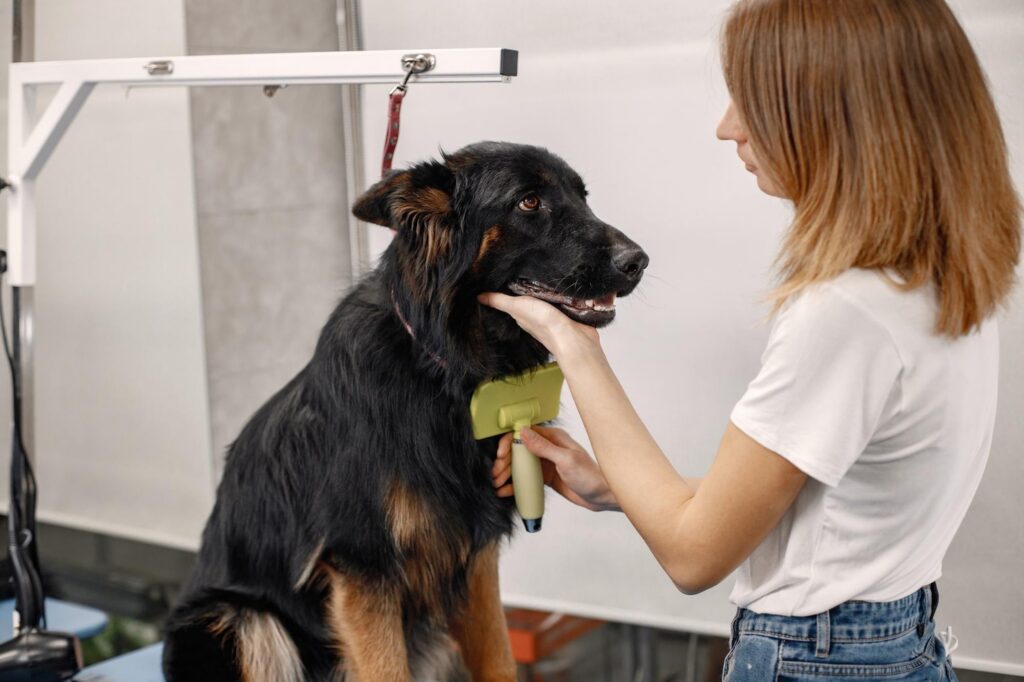
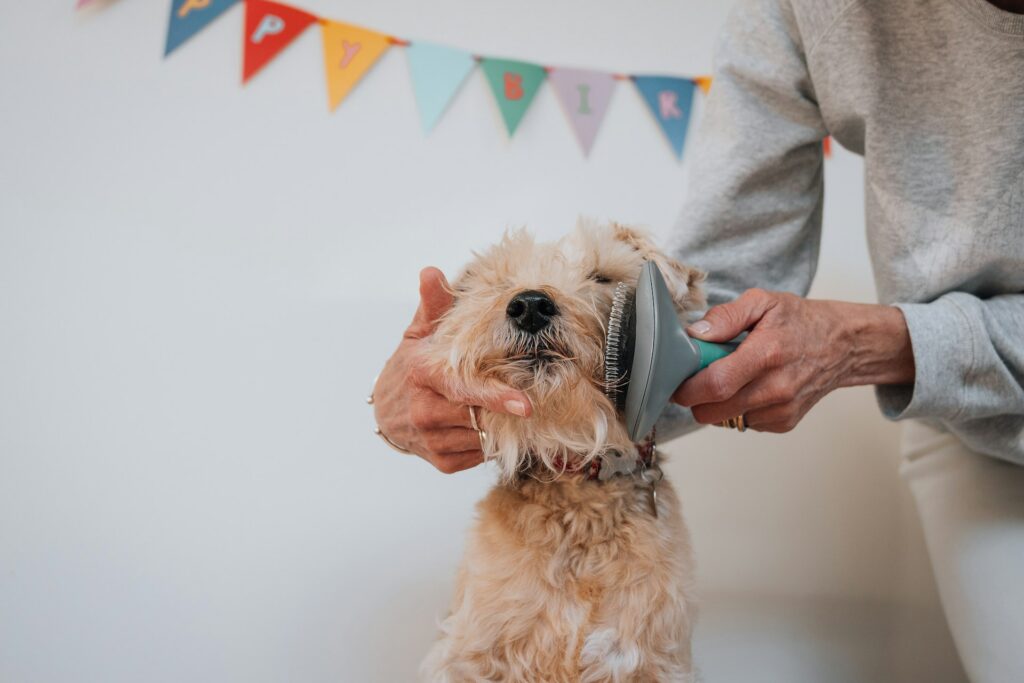
Turn Weekly Coat Care Into Your Dog’s Favorite Ritual Healthy coats do not happen only on grooming day. The secret is what happens in the quiet little moments at home, between visits. Weekly coat care keeps your dog comfortable, lets grooms last longer, and helps your groomer do kinder and gentler work. It is not about doing a perfect salon-style groom. It is about steady, loving attention from the people your dog trusts most. Think about an Atlanta walk after a summer thunderstorm. The grass is wet, the path is muddy, and your dog is living their best life. Ten minutes later, that happy romp is clinging to their coat as dirt, tangles, and damp patches that can turn into odor or irritation. A quick weekly routine, even just a few minutes, stops those little messes from turning into mats, hot spots, or skin problems. Our goal here is to hand you simple, realistic micro-routines based on coat type: short, double, curly, and long. We will share time estimates, easy tool ideas, and where professional grooming fits in. At Coatly Bath & Groom in Atlanta, we see our membership-style services as the anchor appointments. Your at-home micro-routines are the “glue” between visits that keeps coats healthy and helps each grooming session feel calmer and more familiar for your dog. Why Consistent Coat Care Matters More Than You Think Coat care is about health just as much as looks. When you slow down once a week and run your hands and a brush through your dog’s coat, you are doing a full-body wellness check without even thinking about it. You are more likely to catch: New lumps, bumps, or tender spots Dry, flaky, or red patches of skin Fleas, ticks, burrs, or grass seeds hiding in the coat Sticky areas where moisture and heat might cause hot spots Regular brushing also changes how your dog feels in their body. Mats pull on the skin every time they move, and trapped undercoat holds heat and itchiness. A clean, brushed coat means easier movement, fewer snags under a harness, and less discomfort during grooming. Dogs with mat-free coats can be bathed and dried more gently, and coat styling becomes about shaping, not fighting tangles. There is also the trust piece. When coat care always happens with the same calm people, in the same calm ways, grooming stops feeling scary. Your dog learns, “When my humans and my groomers touch me like this, good things follow.” That kind of predictability is powerful. We see dogs relax when they recognize the pattern: home care, then the same kind hands and handling style at their studio visits. Weekly Micro-Routines for Short Coats Short-coated dogs often shed more than you expect, and their natural oils spread fast. That means skin issues can show up quickly if coat care is ignored. Think of breeds with sleek coats that shine when healthy. With these dogs, the focus is shine, odor control, and skin checks, more than detangling. A simple weekly routine, 5 to 10 minutes, can look like this: Quick body check and pet-down (1 to 2 minutes): Use your hands like a scanner. Feel along the neck, chest, belly, legs, and tail for heat, scabs, or anything that feels different. Rubber curry or grooming glove session (3 to 5 minutes): Use small circles over the body to lift loose hair and dirt. This is like a massage and often becomes the best part of their week. Optional freshen-up (2 to 3 minutes): After sweaty walks or dusty parks, use a waterless shampoo, deodorizing spritz, or damp cloth on paws, belly, and rear. Tool ideas: Soft rubber curry brush or grooming mitt Mild, pH-balanced dog shampoo for scheduled bath days Light deodorizing spray or wipes for quick cleanups Keep sessions upbeat and short. Work in a spot where your dog already relaxes, and sprinkle in treats. Over time, this becomes a “yes, please” ritual instead of a chore. Double Coats: Managing Shedding and Seasonal Swings Double-coated dogs have a soft, thick undercoat under a harsher topcoat. When that undercoat gets stuck, it traps heat, moisture, and odor close to the skin. Heavy shedding seasons can feel endless if the coat is not managed. These dogs often do not need frequent full baths at home, but they absolutely need consistent coat care. A weekly shedding control routine, 10 to 20 minutes total, might look like this: Detangling with a slicker brush (5 to 10 minutes): Focus on friction zones: behind the ears, chest ruff, “pants” on the back of the legs, armpits, and tail base. Keep strokes short and light. Undercoat raking (5 to 10 minutes): Use an undercoat rake matched to your dog’s coat density. Work in small sections, watching the skin. If they seem sensitive, break this into two shorter sessions across the week. Targeted clean-up: Wipe paws and belly after wet or dirty walks. If a specific area gets very dirty, do a small “mini bath” on that part instead of a full soak. Helpful tools and products: Slicker brush with cushioned pins Undercoat rake suited to your dog’s size and coat thickness Metal comb for a quick “check pass” after brushing Regular between-visit coat care means that when your dog comes in for a professional deshedding service, the process is smoother and often more comfortable. The undercoat is already moving out, instead of packed tight against the skin. Curly and Long Coats: Beating Mats with Tiny Habits Curly, wavy, and long coats are mat magnets. Humidity, swimming, rain, harnesses, and collars all twist that coat into tight little knots. When we skip routine coat care, these knots grow into solid mats that sit right at the skin. That is when grooming turns into long, uncomfortable dematting sessions or full shave downs. For these coats, tiny, frequent habits win. Think 2 to 5 minutes most days, plus a longer weekly session. Mini daily or every-other-day routine (2 to 5 minutes): Lightly spritz a conditioning detangler over
Between-Visit Coat Care by Type: Weekly Routines + Tools and Time Read More »