
Author name: coatly

dog walk

Dog Nail Trim Before Atlanta’s Busy Holiday Walks

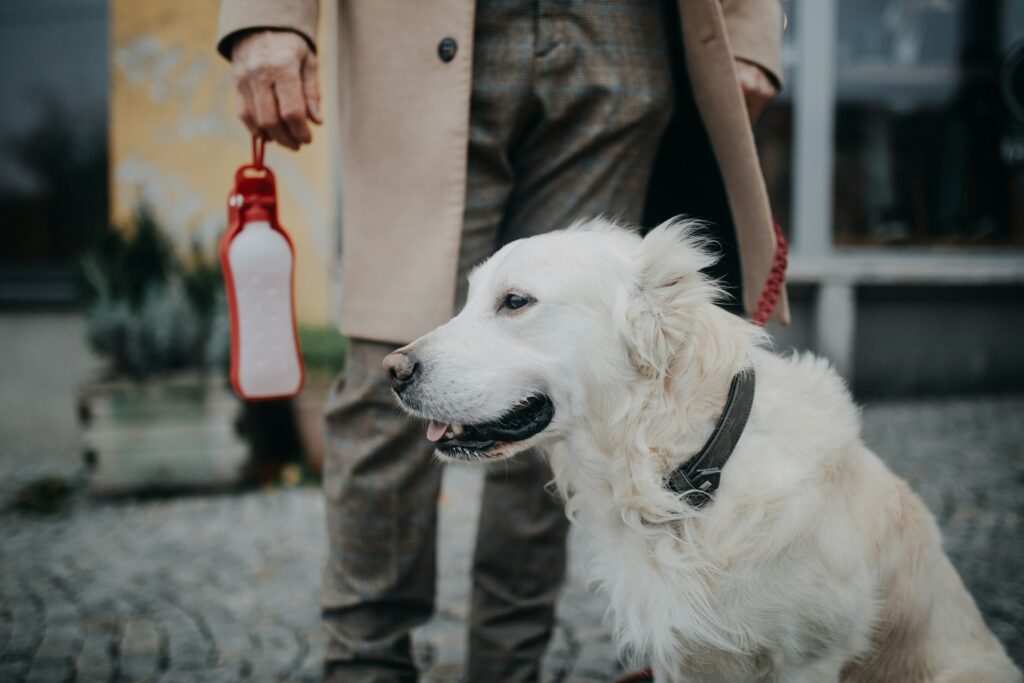
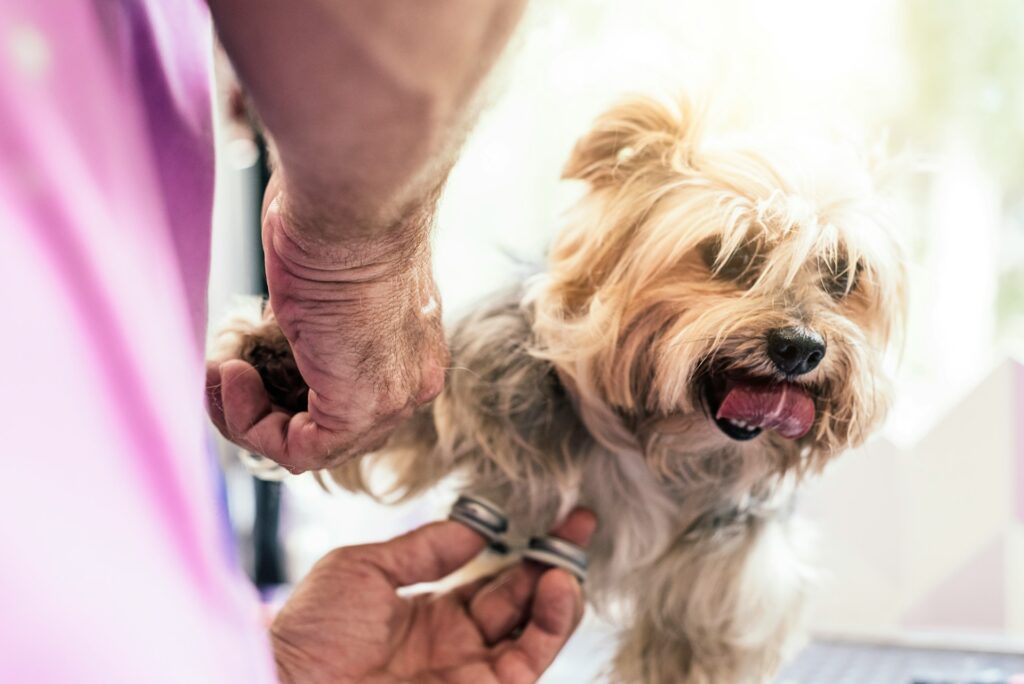
Atlanta gets busy fast once the holidays show up. Between outdoor markets, cold-weather dog walks, and visitors coming and going, many routines change. Dogs may be pacing more, out on sidewalks with us, or spending time with sitters or at boarding spots. That kind of movement means it’s time to check in on grooming, especially when it comes to nail care. A dog nail trim might not seem like a big deal, but longer nails can actually make everyday walks harder, and sometimes painful, for your pup. With colder air and harder ground, every extra step lands that much sharper. By staying ahead of it now, before the holiday bustle peaks, we avoid rushing later when calendars are full. A bit of planning makes things easier for both of you. During the holidays, weather changes can influence the amount your dog is outside and moving around. This shift in activity can impact how fast their nails wear down. It’s easy for nail maintenance to slip our minds during hectic weeks, but small habits like checking paws weekly can make all the difference. Finding a regular time, such as before a favorite walk or after a cozy evening indoors, helps make nail care feel routine instead of rushed. Why Nail Length Matters Before Busy Walks It doesn’t take much for a nail to get too long. And even though your dog can’t tell you that it hurts, you’ll often see the signs when something’s off. When nails get too long, they can press into the floor or shift how your dog walks, which puts strain on joints over time. • Long nails may cause dogs to shift their posture, leading to hip or back discomfort • Sidewalks in the winter are dry and hard, and walking with untrimmed nails can do more damage than normal • Slippery patches, even just wet leaves, increase the chances of your dog sliding, especially with paws that can’t land flat These problems build up quickly in winter, when outdoor time may be less frequent but more intense. Whether it’s jogging with a family member over the weekend or just quick walks between parties, every extra step can matter more than you might think. Keeping nails short helps dogs walk better, grip surfaces, and avoid hurting themselves when they dart across tile or jump off couches. Clean nail edges also mean fewer scratches on floors, and less catching on winter sweaters or rugs. Nail length can also impact confidence for nervous or older dogs on unfamiliar surfaces. If their nails are too long, they may hesitate or refuse to walk over certain areas of the house, becoming withdrawn or anxious. Regular trims keep them moving comfortably throughout every part of your home, even as activity levels ebb and flow with the season. The Holiday Season Brings Extra Challenges Once December rolls in, everything speeds up. Parks fill with people, sidewalks stay busy with bundled-up walkers, and homes get crowded with guests. For dogs, that’s a lot of extra stimulation, and more chances to move quickly or get underfoot. • Untrimmed nails can snag on rugs, carpet, or clothing during holiday gatherings • If your dog is staying with family or boarding, most places prefer pups to arrive clean and well-groomed • Inside or outside, long nails can scratch hardwood floors or even cause slips for your pup on tile after playtime Playing with kids visiting over the holidays, racing for dropped snacks, or leaping to greet returning guests can challenge your dog’s footing. Shorter nails keep those playful moments safe and comfortable. It’s worth taking a few minutes to inspect your pup’s paws for rough edges, cracks, or breaks that may have gone unnoticed during a busier schedule. Sharp nails can split or tear easily with the added energy and activity of holiday gatherings. Atlanta’s varied winter surfaces, from city sidewalks to grassy parks and tiled entryways, make it even more important to address nail care before festivities begin. If you keep track of your dog’s activities, adjusting your nail check schedule after particularly active days can prevent accidents. How Often to Trim and What to Watch For Every dog’s nails grow at a different pace, but most slow down in winter when daily movement drops. If your pup spends more time snuggled inside once the temperature drops, natural wear from walking wears away too. That means nails grow quietly until one day, you hear them click. • Clicking or tapping on floors is often the first sign a trim is needed • If your dog starts licking or pawing at their feet more, especially in walks or after play, it’s worth a check • Standing posture can shift if nails hit the ground first, changing how weight gets distributed Some pet owners set a reminder to check weekly, especially this time of year. Nail trims don’t always need to be dramatic. Small, frequent trims are often better than long waits between big ones. Think gentle upkeep, not reset-and-repair. Over time, dogs can become accustomed to the feeling of trimmed nails, making each appointment less stressful. Since the winter months often come with extra excitement, nervous energy, and household changes, having a nail care plan can minimize interruptions to everyone’s day. If your pup hates nail trims, pairing them with quiet cuddles, treats, or calm brushing helps reassure them. Pay attention to signs of discomfort while walking, like sudden stops, limping, or avoiding stairs. These clues can alert you to a hidden problem before it becomes a bigger issue. Even if you are not sure what’s causing the change, a quick paw inspection is a simple way to check. Professional Help Makes It Easier During the Holidays The holidays come with enough to juggle already. Grocery runs, gift lists, holiday events, taking care of pet grooming during this stretch can fall pretty far down the list. That’s where scheduling help early makes a difference. • Experienced groomers trim nails safely, and they know signs to

Dog Nail Trim Before Atlanta’s Busy Holiday Walks Read More »

dog winter coat

Dog Grooming in Atlanta for Healthy Winter Coats

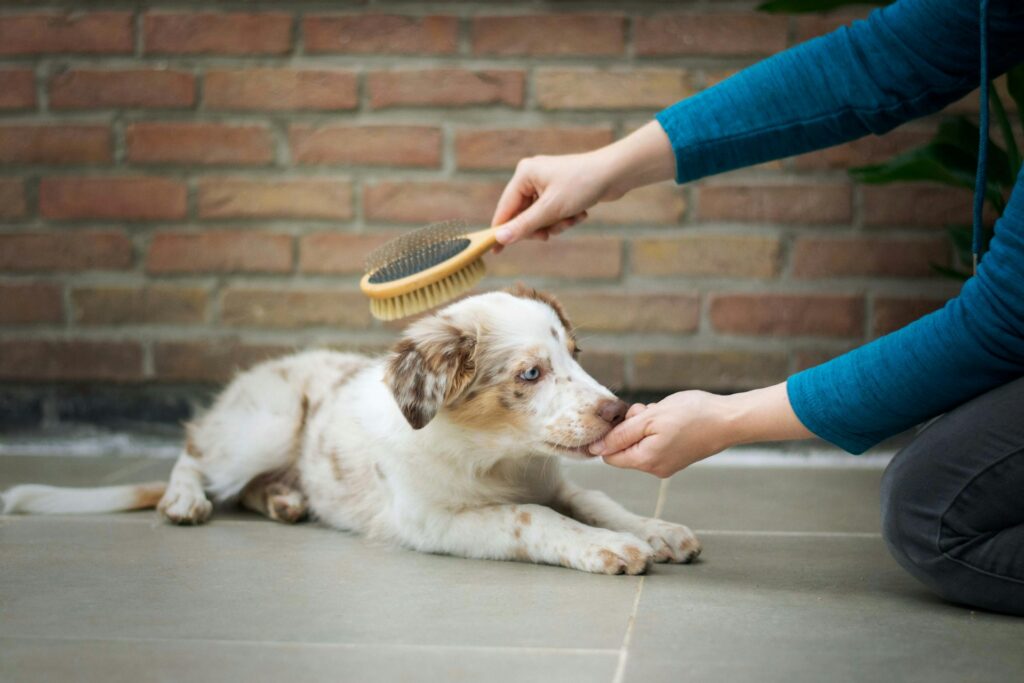
When colder days start settling into Atlanta, dog owners start to feel the shift. The crisp air might feel nice for a walk, but that change in temperature can also mean your dog’s coat needs a bit more attention. As we head into winter, keeping your dog comfortable starts with the right grooming habits. Regular brushing, smart bath schedules, and watching for dry skin can all make a big difference. Taking care of your dog’s winter coat means more than just keeping it looking nice. The chill in the air and dry heat indoors can create small problems that grow fast. Dogs might start feeling itchy, matted, or just uncomfortable if grooming routines slow down. That’s where regular dog grooming in Atlanta becomes especially helpful. Some changes might seem small, but they go a long way in helping your dog stay clean and healthy through the season. Why Winter Grooming Matters Cooler weather in Atlanta doesn’t bring heavy snow, but it does dry out the air. Heating systems indoors can make the skin flake and itch, especially for dogs with longer or thicker coats. When those coats grow in, they don’t just keep dogs warm, they can trap oils, dust, and moisture too. Without regular grooming, these things build up fast. • A thick winter coat can hide tangles or dry patches that owners might not notice right away • Indoor heating can lead to flaky skin and itchiness • Moisture from cold walks or holiday baths can get trapped under the fur, which leads to irritation or odor By staying consistent with grooming, we keep coats loose, skin clean, and dogs more relaxed at home. Common Winter Coat Problems and What to Watch For Every season brings its own habits, and in the winter, it’s natural to scale back a little, fewer long walks, fewer baths, more cuddles on the couch. But these changes can make coat problems more noticeable. You’ll want to watch for signs your dog’s comfort is slipping. • Dry spots on the skin, especially near the back or behind the ears • Mats or tight tangles where jackets or sweaters rub • A stronger doggy odor that sticks around longer than usual Dry skin usually looks like small flakes, but it can show up as licking or scratching too. Dogs don’t always tell us they’re uncomfortable in obvious ways. Mats form slowly and tend to stay hidden unless you’re brushing deeper into the coat. And buildup doesn’t always smell strong at first, but it can make dogs itchy or cause skin irritation over time. How Grooming Routines Change When It Gets Colder Winter grooming doesn’t need to be complicated, but some parts of the routine shift during colder months. One of the biggest changes is bathing less often. That might sound surprising, but over-bathing can take away the natural oils that protect your dog’s coat and skin. Those oils keep the coat soft and shielded, especially in dry, heated homes. • Space out baths a little more and use gentle cleansers when you do • Brush more regularly to loosen dry hair and help distribute oils • Use soft brushes and work in calm, warm spaces where your dog feels safe It’s not just about hygiene, it’s about helping your dog feel calm and cared for during an overstimulating time of year. Brushing isn’t just surface-level either. It gives us a chance to feel for any rough spots, knots, or dryness before it turns into a bigger problem. Local Grooming Support That Makes a Difference Dogs living in Atlanta have a unique rhythm to their winter. The city doesn’t get freezing cold too often, but the mix of cooler days and indoor heating still impacts coat health. Working with local groomers who understand the climate means your dog gets support that actually fits what’s going on outside, no guessing needed. • Local groomers are used to Atlanta’s winter changes and how they affect different types of coats • They know how to adjust techniques for dogs who wear jackets, go on longer hikes, or stay mostly indoors • Booking ahead during the holidays helps avoid packed schedules and keeps grooming feeling relaxed, not rushed At Coatly Bath & Groom, every grooming session includes a 5-point hygiene check, covering the coat, skin, ears, nails, and teeth for a complete assessment in each season. Our Coat Club membership makes it easy for Atlanta families to stay ahead of mats, dryness, and seasonal shedding with pre-scheduled appointments and frequent coat care reminders. Getting grooming help from someone who knows the weather patterns, local parks, and even the pollen season in Atlanta just means that your dog’s care fits real life. Not every coat needs the same treatment in the winter, and knowing that difference is part of what makes each session easier for dogs and owners. Benefits That Last Beyond the Season Keeping up with winter grooming can feel like one more thing on the list during a busy season. But for dogs, that kind of regular care helps beyond December. When we keep coats brushed and skin healthy during colder months, spring transitions come quicker and easier. We don’t have to play catch-up on mats, break out the clippers, or deal with irritated skin. • Brushed and trimmed coats shed better once warmer weather arrives • Moisturized skin from the right routine means fewer flaky patches and scratching later • Dogs stay more comfortable through the months and less reactive to seasonal change Healthy winter coats don’t happen by chance. They’re built up, week by week, with simple steps and steady routines. By staying with it now, we help our dogs feel better as the seasons shift. Whether it’s muddy parks or dry living rooms, a well-kept coat helps dogs move through their days more comfortably, no matter what’s outside. At Coatly, we’re dedicated to keeping your dog’s coat clean, healthy, and comfortable throughout Atlanta’s colder months. Our team understands the unique challenges that come with

Dog Grooming in Atlanta for Healthy Winter Coats Read More »

dog grooming

Dog Groomers for Difficult Dogs in Atlanta Holiday Prep

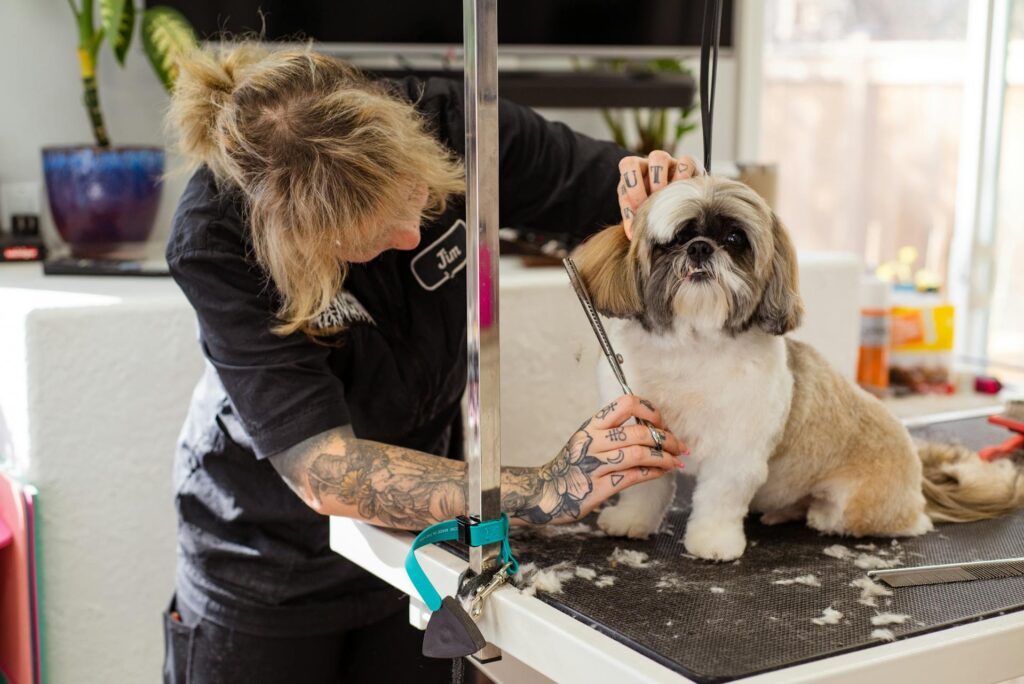
The holidays can be fun, but let’s face it, they’re also a little stressful. For dogs that already struggle with grooming, all the noise and chaos of the season can make things harder. Across Atlanta, many families look for dog groomers for difficult dogs to help avoid meltdowns during the most hectic time of year. Whether your house is filled with guests, or you’re planning travel with your dog in tow, a clean, calm pup can make everything feel smoother. But if your dog hides from brushes or barks at clippers, a bit of prep goes a long way. Working with someone who understands how to handle nervous behavior can help your dog stay relaxed and ready for holiday plans. Getting Difficult Dogs Ready for Holiday Events Some dogs just do not like grooming. It might be fear of being touched, the sound of the dryer, or the simple fact that everything feels unfamiliar. During the holidays, these feelings can show up stronger. Strange smells, visitors, changes in routine, and things we might enjoy can put extra pressure on pets. • Some dogs get jumpy over small changes like decorations or house guests • Others might be sensitive to sound, making loud clippers or dryers harder to manage • Holiday rushes make it tempting to squeeze in appointments last minute, but that can be tough for pets who need extra time Prepping early is one of the biggest favors we can do for dogs who struggle. Getting them used to the idea of grooming over time makes it possible to ease them into care instead of pushing them when they’re already nervous. It can help to introduce grooming-related objects slowly, like brushes or towels, in a quiet setting and reward calm behavior. We find that repeating simple activities, such as gentle brushing or calm touching, before any appointments helps your dog recognize grooming as a normal, safe part of life rather than an unpredictable event. What a Good Holiday Grooming Experience Looks Like Grooming over the holidays should not mean extra pressure for the dog or the owner. A good experience feels steady and predictable, even during a busy season. For dogs that need more patience, small changes can help a lot. • Calm voice and slow movements help build trust from the start • Quiet workspaces and gentle tools make it easier for sound-sensitive dogs • Breaks during grooming allow a dog to pause and reset instead of getting overwhelmed We adjust based on the dog’s pace, not the clock. Some may need extra time just for nail clips. Others might handle brushing fine but freeze at the blow dryer. When we listen to each dog’s signals, routines go from difficult to manageable. A focus on reassurance matters. Dogs sense our moods, so staying relaxed helps set the tone for their experience. A consistent, soothing approach when handling paws, ears, or tails can reduce reactions that lead to stress. When the environment feels calm and nothing comes as a surprise, many anxious dogs begin to trust the process and show a little more ease each visit. Safe Booking Tips for the Holiday Season One thing that makes holiday grooming tricky is timing. November and December get busy fast, especially as people prepare for travel or visitors. If your dog falls into the more sensitive category, planning ahead matters even more. • Booking three to four weeks before a big gathering leaves room for surprises • Morning slots might be better for anxious dogs when things are quieter • In late November, last minute openings are rare, which can push stress higher for rushed dogs We try to talk to pet owners about what to expect during peak season too. Around the holidays, more sounds, scents, and nearby activity can raise a dog’s stress level. Having a clear plan so things feel familiar can make it all easier. For anxious dogs, arriving a bit early for an appointment can help them acclimate to new smells and sounds without feeling rushed. Letting them observe quietly or allowing a brief walk before grooming can ease them into the space when holiday excitement is all around. Helping Nervous Dogs Feel More Comfortable Over Time Dogs learn by pattern. When something scary happens only once a year, like an annual grooming right before the holidays, it can feel brand new and stressful each time. But when appointments happen regularly, nervous behavior often starts to calm. • Repeating the same process helps dogs recognize what comes next • Even short visits to smell, watch, or get touched gently can build confidence • Learning how a dog reacts over time helps us adjust things to match their comfort session by session We start to notice earlier signs too, like lip licking or stiff posture, that tell us when a dog is unsure. When we’re reading those clues clearly, we can shift gear before tension builds. Routine helps make grooming predictable and reduces fear. Encouraging calm interactions at home, such as gentle handling of paws or ears, keeps those routines familiar and lets nervous dogs feel safer during appointments. Over time, those small steps add up to a more relaxed dog ready to handle even the holiday rush. Why Local Matters for Atlanta’s Busy Dog Owners Living in Atlanta has its own rhythm. With so many families on the move during the holidays, it’s easy for dogs to get swept up in changes they do not understand. Our pets may not know the calendar, but they feel the energy change. • Atlanta’s weather stays mild through the season, but indoor settings can still become noisy and busy • Neighborhood parades, lights, and music during December can overstimulate some dogs • Knowing what holiday life is like here helps us keep dogs grounded during grooming Many of the dogs we see are used to city living but still get nervous at certain times of year. Matching our approach to what is actually happening around them helps us

Dog Groomers for Difficult Dogs in Atlanta Holiday Prep Read More »

dog grooming

Dog Groomers in Atlanta Who Know How to Calm Nervous Pets

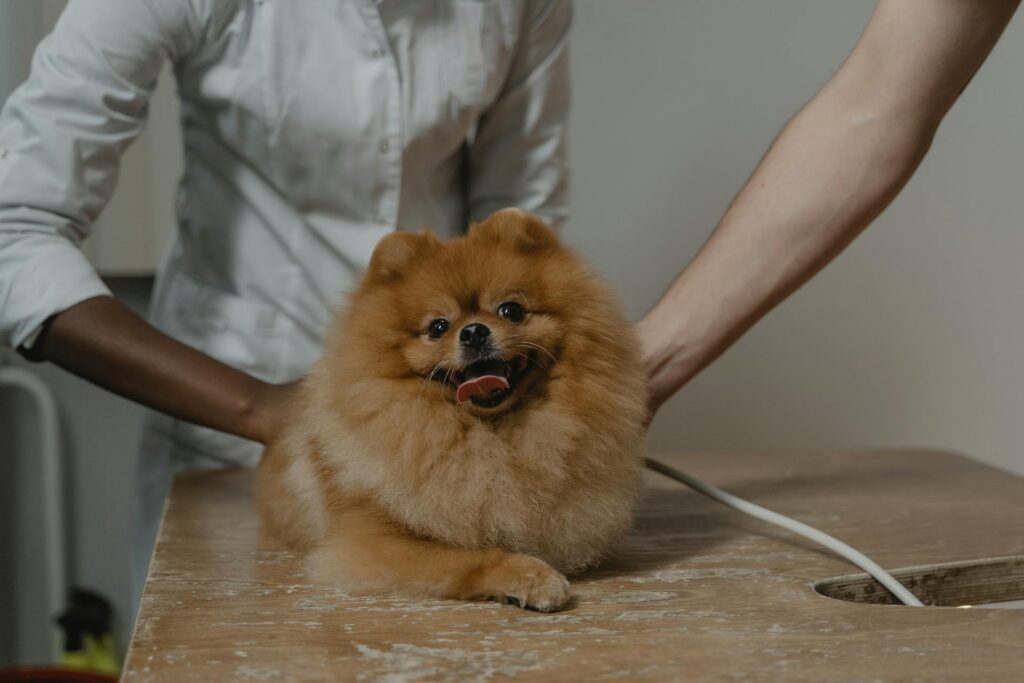
Some dogs love a good bath or trim, but many others get anxious at the very thought of grooming. New spaces, buzzing sounds, and unfamiliar people touching their paws or ears can make even calm dogs feel unsure. For pet owners in Atlanta, finding dog groomers in Atlanta who truly know how to handle a nervous pet can make all the difference. When a dog gets scared during grooming, it’s not just tough for them. It can be stressful for us too. The right environment and gentle habits can help dogs begin to trust the process. Over time, that trust turns into comfort, and something once stressful can become easy, or maybe even enjoyable. How Dogs Show Anxiety Before or During Grooming Dogs don’t always tell us directly when they’re uncomfortable, but their body language speaks volumes. Whether it’s during a bath, brushing, or nail trim, the signs are usually easy to spot if we’re paying attention. • Pacing, whining, or shaking are common signals of stress • Some dogs hide under furniture or turn their heads away when approached • Others may pull their paws away, growl softly, or try to escape the grooming area Certain parts of grooming are harder for specific dogs. Noise-sensitive dogs may react to loud clippers or dryers. Touch-sensitive dogs might dislike brushing around the ears or tail. Watching how a dog moves or reacts helps us find what’s bothering them and meet them where they are, rather than rushing through something that feels scary. What Calming Grooming Looks Like in Practice Working with anxious dogs requires a slower, softer rhythm. Instead of rushing through tasks, it means reading the room, or in this case, the dog, and adjusting how we move through each step. • Use of calm voices and relaxed hands • Time between each step to let dogs rest and reset • Choosing quiet dryers and soft brushes to reduce sensory overload Some dogs need breaks between bath and brush. Others need more time to settle at the start before anything even begins. When we treat each dog like an individual, it gives them room to feel safer and more in control. That feeling of control, even in small ways, builds trust fast. Creating a Safe and Familiar Atmosphere The grooming space itself can do a lot to help dogs feel more at ease. A quiet room, warm water, and soft towels make a big difference, especially in the colder months around November. It’s not just about tools, it’s about comfort. • Non-slip mats help dogs feel steady and prevent stress from slipping • Repeating the same routine at each visit builds predictable steps • Keeping the same groomer when possible helps reinforce familiarity We have seen that even the smell of a towel used during past visits can help calm returning dogs. Familiar voices and gentle hands become something they recognize and trust, which makes each visit feel less like a first time. At Coatly Bath & Groom, every grooming appointment includes a customized approach and a full 5-point hygiene check, assessing your dog’s coat, skin, nails, ears, and teeth to ensure their comfort and well-being. Our team understands the importance of a consistent, friendly environment especially for nervous pets, and we strive to offer a welcoming space that supports every dog’s specific needs. Why Training and Experience Matter Around Anxious Pets Not every dog communicates stress in the same way. That’s why having skilled groomers who can read those early signs is so important. It helps prevent a full panic spiral and keeps dogs feeling safer during each moment. • Trained eyes catch stress signals early, like lip licking or frozen posture • A slower approach avoids pushing a dog past their limits • Adaptability allows the grooming plan to shift based on a dog’s comfort that day Where one dog might need touch broken into short windows, another might only need a quieter drying method. Experience teaches us how to offer those adjustments in real time. It’s not always perfect, but it’s meaningful to a dog who needs extra kindness. Our Coat Club membership can help even anxious dogs by providing routine care with familiar faces and predictable grooming schedules, making the process less stressful over time. How Regular Visits Can Help Nervous Dogs Improve Trust doesn’t always happen right away, but with a set schedule and familiar routine, even nervous dogs can start learning that grooming isn’t a threat. It simply becomes part of their normal life. • Frequent visits build memory around safe grooming experiences • Positive repetition helps reduce fear of tools, smells, and sounds • Predictability lets dogs settle in sooner with each session Some dogs may always feel a little uneasy at first, and that’s okay. What we often see is progress. Over time, those first few moments of anxiety turn into calmer greetings and steadier paws on the table. The grooming room becomes something they know, not fear. More Confident Dogs, Less Stress for Everyone When we slow down and make time for nervous pets, it really does show. The process becomes smoother for the dog and for the person bringing them in. It takes the stress out of planning grooming and makes it a practical part of their care routine. Gentle grooming helps prepare dogs for easier visits again and again. With trust, patience, and a good relationship built over time, we see nervous dogs transform into confident ones. That comfort goes with them into every part of their day. At Coatly Bath & Groom, we understand how important it is to find caring support for a nervous dog, especially when it comes to grooming. Creating trust takes time, patience, and a welcoming space where pets feel secure and understood. For gentle, personalized care from dog groomers in Atlanta, we are here to help make each visit more comfortable. Reach out to us to schedule your pet’s next appointment.

Dog Groomers in Atlanta Who Know How to Calm Nervous Pets Read More »

dog grooming

Dog Bath in Atlanta When Fall Mud and Rain Strike

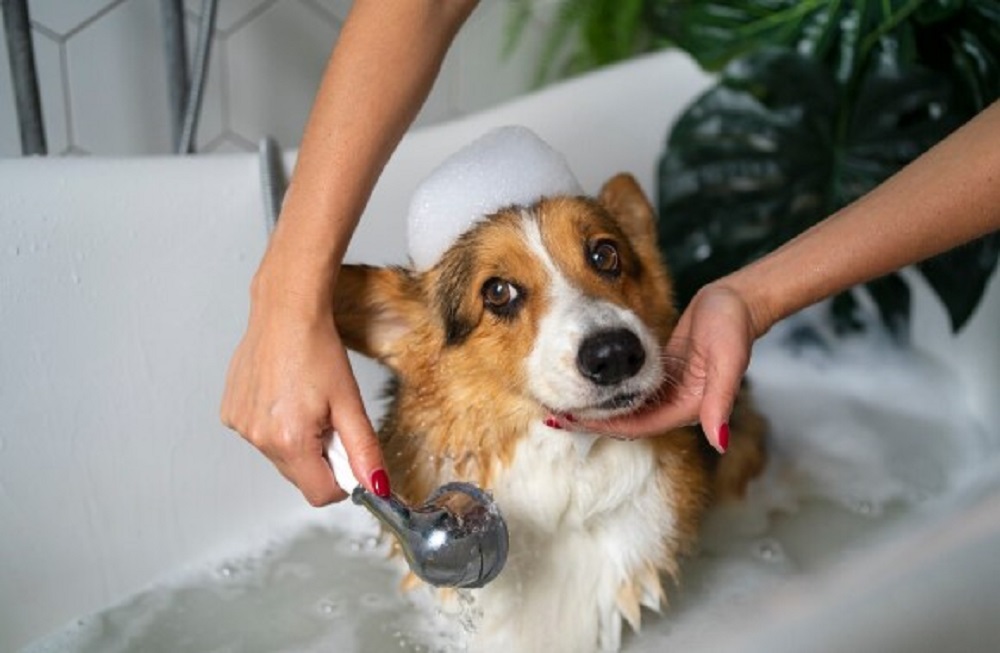
Fall in Atlanta means soggy park paths, muddy shoes, and dogs tracking it all inside. If your daily walks usually end in a bath or long towel wipe-down, you’re not alone. When fall storms roll in, even the cleanest pups end up a little grimy. That’s when a regular dog bath in Atlanta can make a huge difference. Not only does it help keep your home cleaner, it also keeps your dog’s skin healthier when wet weather won’t let up. The mix of rain, leaves, and dirt builds up fast and sticks to paws, bellies, and tails. If left alone, it can lead to dry patches, odd smells, or itchy skin. We’ve seen how much simpler life gets when dogs are groomed consistently through the fall. It cuts down on problems while making cuddle time a lot more pleasant. Why Wet Weather Makes Bath Time More Important One damp trip to the backyard can turn into a full coat of mud, especially for big dogs who love to roll or run around. We often notice that right after the first few rainy days in November, more pet owners are surprised by how quickly their dogs start to smell or scratch. • Rainy walks build up dirt, oils, and outdoor germs faster than dry weather • When fur traps water, it creates warm spots that can irritate the skin • Outdoor play adds soggy leaves and hidden grit that gets buried in long coats Cooler air doesn’t speed up drying the way summer heat does. That means a dog who gets muddy in the morning might still have damp fur by bedtime. That extra moisture can lead to odors or discomfort, especially for dogs with thicker undercoats. Regular bath time during fall helps stay ahead of those issues, instead of reacting after they show up. Problem Areas That Get Dirty and Stay Wet Some parts of a dog get wet and stay wet longer than others. We see this most in dogs with feathered tails, long bellies, or wrinkled skin. Even if a dog looks clean from above, there’s often more going on underneath. • Paws and lower legs gather mud, leaves, or even small pieces of grit from sidewalks and yards • Tails and bellies drag through wet grass or soil, especially when dogs plop down after a walk • Ears and thick wrinkles around the neck offer dark, damp places that hold on to moisture if not checked These spots don’t dry quickly and are tough to get to without a proper bath. If we wait until there’s a smell to clean them, it’s usually a sign that buildup has been sitting there longer than we thought. Drying Challenges for Larger or Long-Haired Dogs Not every dog shakes off and dries in minutes. In fact, some of the largest and fluffiest dogs we care for stay damp for hours without a plan in place. That’s not just uncomfortable, it can affect their skin and coat over time. • Thick coats trap water closer to the body, keeping the skin warm and damp • Blow-drying thick or tangled spots is harder at home, especially if a dog moves around • Damp fur can carry odor or mildew smells if left alone, no matter how clean the surface looks For long-haired or heavy-coated breeds, drying takes time and patience. When we skip it or rush it, dogs end up with patchy smells, itchy spots, or knotty fur. A proper bath includes full drying that reaches the undercoat so they’re fresh and ready to relax. How Routine Fall Baths Help Dogs Stay Healthy Inside and Out Planning ahead helps reduce big messes later. Instead of scrubbing dried muck off paws every night, a scheduled bath gives dogs a clean slate when it matters most. It’s easier to wipe down legs or bellies when there’s less old dirt built up in the first place. • Regular baths scrub away residue before it turns into flaky or greasy patches • Clean coats stay fluffier and softer, which makes cool nights indoors more comfortable • Proactive bath routines keep grooming simple once winter arrives At Coatly Bath & Groom, we tailor our bath services to each dog’s needs with a full 5-point hygiene check at every visit, examining their coat, skin, nails, ears, and teeth to keep your pet in top health through wet weather. Our Coat Club membership makes scheduling routine baths, nail clipping, and ear cleaning easier for Atlanta families during the busiest seasons. Fall baths are more than just a cleanup. They set dogs up for cooler months with soft, brushed fur instead of matted or clumpy spots that pull or itch. We’ve found that keeping up with baths during rainy months makes seasonal transitions feel less rushed later. Keeping Dogs Comfortable Between Baths We all know rain doesn’t wait for our schedule. Even if bath day isn’t today, we can still help dogs stay dry and clean in between. Small habits can make a big difference when they come in muddy or soaked. • Towel-drying paws and bellies after each walk cuts back on lingering moisture • Trimmed nails stay cleaner and don’t spread grit as easily on wet ground • Check ears and paws every few days for signs of buildup or redness Fall care isn’t about being perfect. It’s about staying ahead of messes and catching small problems before they grow. Dogs are great at hiding discomfort, so quick wipe-downs or checks between baths give us a better chance at spotting trouble early. Clean Dogs, Mud-Free Floors, Happier Fall Days When muddy weather hits Atlanta, keeping our dogs clean isn’t just about housekeeping. It’s about giving them the comfort they need while helping us stay on top of things too. A steady routine that includes baths during the rainy season cuts down on smells, itchy skin, and surprise messes. Planning a dog bath in Atlanta before the full weight of the season settles in can make our homes

Dog Bath in Atlanta When Fall Mud and Rain Strike Read More »

dog coat care

Easiest Coat Care Habits for Atlanta Dogs in Cooler Weather

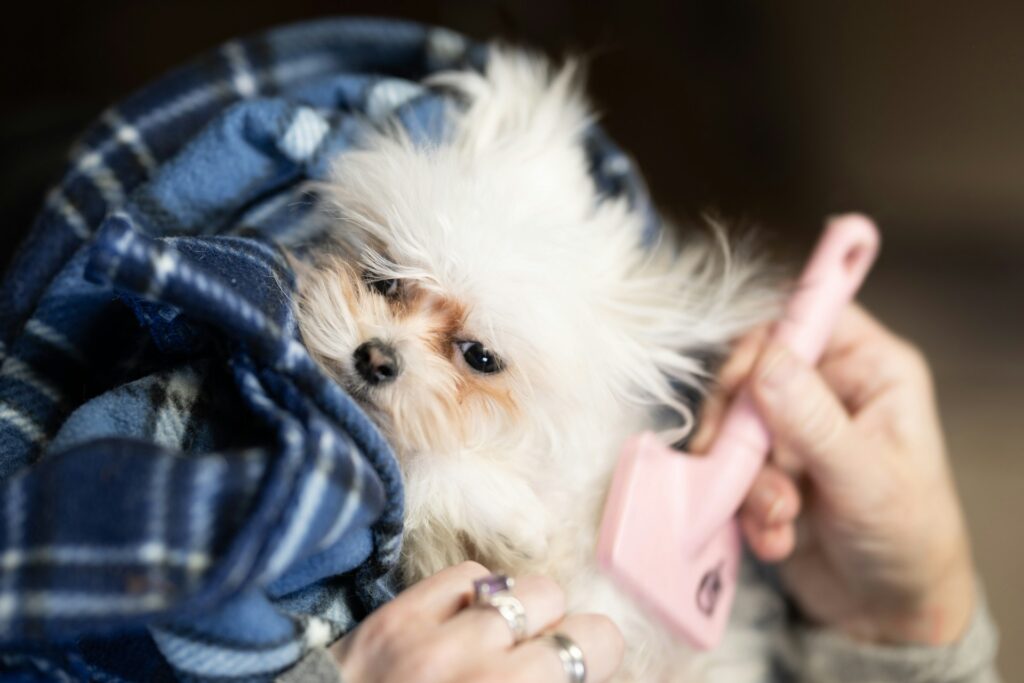
As temperatures begin to drop in Atlanta, your dog’s coat shifts right along with the season. Late fall brings not just cooler days, but also drier air and more time spent outside in the wind and changing light. These small changes pile up fast, especially for dogs with thicker or longer coats. Basic coat care becomes especially helpful this time of year. When you build a few easy habits into your weekly routine, you’re helping your dog stay clean, warm, and comfortable through every walk and chilly backyard break. It doesn’t take much, but it does take consistency. The earlier you spot buildup in your dog’s fur or signs of dryness, the quicker you can prevent things like itching or matting. How Cooler Weather Affects a Dog’s Coat You might notice your dog’s fur getting thicker as the days get shorter. That’s completely normal. Even in a place like Atlanta, where winter doesn’t hit as hard as other parts of the country, dogs still prepare for cooler air by shedding their lighter coats and growing in a warmer undercoat. But colder weather often means drier air too. That can pull moisture from the skin, leading to flaky spots and more itchiness. It also means more layers of fur, which can trap dirt and oils more easily if brushing isn’t part of your regular routine. Skipping general maintenance in fall and early winter makes it easier for knots to form and odors to stick around. A little seasonal build-up might not seem like a big deal at first, but over time it can lead to discomfort or skin problems that take longer to fix. Simple Brushing Routines That Really Help Brushing might not sound like much, but it makes all the difference, especially when the air is cold and coats are thicker. It helps move natural oils through the fur, keeps knots from forming, and gently pulls out any dirt that gets trapped after outdoor play. What works best depends on your dog’s coat type. • Dogs with short coats usually do fine with a quick brush once a week using a soft-bristle or rubber brush • Double-coated breeds benefit from two or three brushing sessions a week to manage shedding and keep the undercoat from clumping • Curly-coated pups may need daily brushing to prevent tight mats from forming near the skin It’s not just about appearance. Brushing gives you a chance to check for changes, whether it’s dry skin, an irritated patch, or something stuck in the fur. These short sessions help keep things clean between full grooming visits and give your dog a boost in comfort day to day. Watch the Trouble Spots: Paws, Belly, and Behind the Ears Some areas collect more than others this time of year. The fur near the paws, behind the ears, and around the belly tends to trap moisture and debris. After rainy days or leaf-filled walks, those zones can get clogged up fast. Try to check these spots once or twice a week, especially after outdoor adventures: • Paws often collect mud, small pebbles, or bits of grass that can dry onto the fur • Bellies, especially on smaller dogs or those with longer hair, may stay damp longer after dewy morning walks • Behind the ears is another spot where tangles sneak in without being noticed Wiping or brushing these areas regularly can help your dog feel better and stay cleaner until the next bath. It’s a quick habit that goes a long way toward long-term coat care. When a Bath Isn’t Just for Cleanliness Baths aren’t just about getting rid of dirt. During fall and early winter, the air pulls more moisture from your dog’s skin. On top of that, allergens and dust can stick to thick coats and cause sneezing, scratching, or dull patches of fur. Depending on your dog’s coat and how often they’re outside, you might not need a full bath every week. Sometimes a light seasonal rinse, especially if they’ve been playing in wet leaves or dry brush, is enough to reset their skin and coat without overdoing it. Watch for signs your dog could use a bath: • They’re scratching more than usual • You notice flaky skin after petting them • Their fur smells musty even when dry A warm rinse using dog-safe shampoo and a gentle dry afterward can help restore balance. Just make sure to dry their coat thoroughly, especially in cooler temperatures, so it stays healthy instead of damp. Why Routine Grooming Matters Even More Now As much as we all love fall weather, it’s one of the messiest times for pups. In places like Atlanta, where late fall still offers plenty of clear afternoons and neighborhood walks, dogs tend to spend more time outside than they did during the summer heat. That time outside leads to: • More leaf and dirt buildup in thick coats • Rougher paw pads from walking on dry grass and chilly sidewalks • An uptick in dry skin and tangles, especially for breeds with longer or double coats Grooming helps manage all of it. Not just for looks, but for comfort and health too. Well-maintained coats stay cleaner, work better for temperature control, and make it easier to spot anything out of the ordinary before it becomes a bigger problem. At Coatly Bath & Groom, we provide a full 5-point hygiene check at every visit, inspecting the coat, skin, nails, ears, and teeth to ensure your pet is healthy from nose to tail. Our Coat Club membership gives Atlanta dog owners a simple way to keep up with regular baths, nail trimming, and ear cleaning, making coat care easy even when schedules get busy. Keep Your Dog Comfortable All Season Long Simple routines like brushing, checking trouble spots, and knowing when a bath is needed can make a big difference in how your dog feels this season. Fall and early winter don’t have to be messy, uncomfortable, or full of fur clumps on

Easiest Coat Care Habits for Atlanta Dogs in Cooler Weather Read More »

grooming

How Big Dog Grooming Prep Can Make a Difference Before Winter

How Big Dog Grooming Prep Can Make a Difference Before Winter When colder weather starts moving in, dogs with bigger bodies and thicker coats often need a little extra attention. Many owners in Atlanta know that winter grooming isn’t just about keeping a pup looking good, it’s about comfort, health, and making life easier through the chilly months. Big dog grooming comes with some extra steps, and handling them early can make a big difference in how your dog feels during fall and winter. By starting your routine before temperatures really drop, you can head off itchy skin, dirty buildup, and knots that are harder to fix later. In this post, we’ll talk about why larger breeds need different prep as fall turns into winter, how to spot areas that need care, and what types of habits keep your big dog clean and comfortable until spring. Understanding the Needs of Bigger Breeds Large dogs tend to have more fur and more skin, which makes it easier for dirt, oil, and moisture to build up if grooming isn’t happening consistently. And when fall hits, their coat does double duty. It sheds a little and thickens up, all while catching dust and dander along the way. Weight and size play a role too. A heavier dog may not be as easy to lift into a tub, which means owners can be less likely to bathe them before issues show up. Bigger bellies, deeper undercoats, and stronger shedding cycles during fall mean that these dogs benefit from extra brushing and more regular checks before winter. • Thick coats can hide small skin problems that show up faster in cold air• Bigger bodies often carry more oil, which causes an odor sooner if not brushed out• Cold-weather shedding happens fast and needs to be managed before it mats down It’s not just about fur control. These early grooming steps give you a chance to check for dry patches, bumps, or major tangles before they get worse. Without regular attention, the natural buildup of oils and dirt in their coats can make your dog uncomfortable and harder to clean once winter fully sets in. For dogs that spend a lot of time outdoors, thick coats can also trap leaves or twigs, making it even more important to brush them out regularly before these items cause tangles or matting. Problem Areas to Watch Before Temperatures Drop Even when your dog seems clean, certain spots are more likely to pick up dirt and stay damp in the fall. And with Atlanta’s wet-weather spells and fallen leaves everywhere, it doesn’t take long for one walk to lead to clumps that need attention. The spots we look at first are: • Between the toes and around the paws, where mud, grass, and tiny rocks stick• Under the belly, where ground moisture and cold air meet longer fur• Behind the ears, a hidden place for tangles, especially on fluffier breeds Some of these areas collect sweat and oil more quickly simply due to movement. If they’re not cleaned regularly, they can smell or irritate the skin. A little routine now helps avoid matting, odor, or inflammation that would otherwise appear mid-season. Paying special attention to these regions before winter means you’re less likely to run into stubborn mats that require uncomfortable untangling, and you help your dog stay comfortable when they’re inside and outside. Dirt and moisture that build up in these spots can create an environment where skin problems develop rapidly, especially during chilly, damp Atlanta days. Brushing and Bathing Tips for Cold-Season Prep When the air gets colder, coats get thicker. And when coats get thicker, brushing makes a bigger impact. It removes loose fur, spreads natural oils, and keeps your dog’s skin from flaking or drying out. We keep things simple, focusing on what the coat type needs: • Short-haired large dogs usually benefit from a firm brush once or twice weekly• Double-coated breeds may need more frequent brushing to control shedding• Longer or curlier coats need daily light brushing during fall to avoid tight mats Baths are helpful too, but timing matters. You don’t want to over-bathe a big dog in chilly weather. Instead, look out for signs like scratching, a dull coat, or buildup after outdoor play. When you do bathe, use warm water and dry their coat completely. Leaving damp patches in thick fur during colder months is one of the fastest ways for skin trouble to start. Our Coat Club membership at Coatly Bath & Groom is a great option for routine brushing, bathing, and ear cleaning throughout the season, making it easy to keep up with your dog’s needs no matter how busy you are. Plus, every service includes a 5-point hygiene check for peace of mind. Brushing is the single most important habit in the colder months, as it helps shed out the dead undercoat and prevents mats. Dogs with thick or double coats especially need more attention during fall, when their bodies are adjusting to cooler temperatures and naturally dropping some fur while growing in new, insulating layers. A rubber or slicker brush works well for most big breeds, and brushing in the direction of the fur helps prevent discomfort. For those who find it tough to brush large dogs at home, a grooming mitt can help cover more area and give your dog a gentle massage as you work, making the experience more positive. Knowing When It’s Time for Professional Help Sometimes brushing at home isn’t enough, especially when your dog has spots you can’t reach easily or fur that mats up again days later. If grooming feels like a struggle, or your dog starts reacting more to brushing, that’s a good sign it might be time to bring in support. Professional big dog grooming helps in a few ways: • Trouble spots get cleaned fully without cutting corners due to size or reach• Coat health is checked before bigger problems show up• Breed-specific routines keep fur under

How Big Dog Grooming Prep Can Make a Difference Before Winter Read More »

big dog grooming

How Atlanta’s Best Groomers Help Big Dogs Stay Calm

How Atlanta’s Best Groomers Help Big Dogs Stay Calm Grooming can be a challenge for big dogs, especially in a city as busy and loud as Atlanta. Between the car ride, the new smells, and the buzzing clippers, it’s no surprise that larger dogs often show signs of stress before the grooming even begins. Big dogs come with big needs. They have more surface area to clean, heavier coats that require more work, and paws that can be extra sensitive. Size alone can sometimes make them feel unsure or hesitant in new places. That’s why having the best groomers in Atlanta makes such a noticeable difference. Patience, skill, and a calm environment all matter when helping large dogs feel more at ease during appointments. When grooming is done with care, dogs begin to associate it with comfort. It stops being something they dread and starts becoming part of their routine, something familiar and dependable. Understanding Why Big Dogs Get Anxious During Grooming A lot of groomers love working with large breeds, but not every dog walks in feeling ready for a spa day. Most big dogs experience some kind of stress during grooming, and the reasons are pretty understandable. • Clipper noise, nail grinders, running water, and blow dryers all create sounds they might not hear at home.• Slippery tile floors can feel unstable, especially for senior dogs or those that already have joint pain.• Appointments can take longer, which can wear on a dog’s patience or trigger restlessness.• Past experiences at the vet or groomer may have been rushed or stressful, and dogs remember that. Some dogs start panting or pacing the minute they walk into the grooming space. Others freeze up or stiffen when the tools come out. Knowing those signs early helps us adjust and support the dog better through the process. Setting the Stage for Comfort Before the First Snip First impressions matter, especially for big dogs. Creating the right environment helps them feel safer before anything begins. • A quieter, lower-traffic space can reduce stress right away. If a large dog walks into a room filled with barking or rushing activity, their anxiety can spike.• Giving them time to sniff around, explore calmly, and check out the setup on their own terms can make a big difference.• We adjust the station height so big dogs don’t feel awkward jumping up or being lifted.• Soft music, gentle lighting, and space to move comfortably all help ease their nerves. For some dogs, this slower start is more important than the grooming itself. Creating a calm environment shows the dog it’s a safe place, one where their comfort is being considered from the start. How Skilled Groomers Make a Big Impact Working with large breeds requires more than experience. It takes patience, timing, and the ability to connect with each dog’s unique personality. • Calm hands and a soothing voice go a long way. Big dogs notice energy, and if we move quickly or act rushed, they reflect that back.• We watch for small signals like lip licking, shifting posture, or head turns. These all tell us when to slow down or take a short break.• Having tools made for larger coats and paws makes grooming more comfortable and less drawn-out. The best groomers in Atlanta don’t just power through a grooming session. They shape it around how the dog is doing moment by moment, which helps turn each appointment into something manageable, even calming, for a large pup. Consistent Routines Help Big Dogs Stay Relaxed Routine goes a long way with big dogs who feel unsure about grooming. When the place, people, and process stay the same, their anxiety often drops over time. • Seeing the same groomer regularly builds trust. Each visit feels less like a surprise and more like a routine check-in.• Regular grooming on a set schedule means fewer mats, less buildup, and shorter sessions overall.• Familiar steps in a predictable order help dogs know what to expect next, so they can settle in more quickly. When grooming becomes routine not just for the owner but for the dog, it’s easier for everyone. The dog feels safer, the process moves smoother, and the stress starts to fade with each appointment. Fall in Atlanta: Why Big Dogs Need Special Care This Season As we move into fall in Atlanta, big dogs often need a bit more grooming attention than usual. The cooler air brings out longer, fluffier coats that tend to trap everything a dog picks up outside. • Heavier coats can hold onto more shedding fur, which increases matting and discomfort if left too long.• Dogs that spend more time in the yard or on trails collect more dirt, leaves, and allergens. These can hide deep in the undercoat and irritate the skin if not cleaned out.• Drier fall air can lead to itchy, flaky skin, especially in big dogs with thick coats where moisture balance matters. By maintaining grooming during fall, we help big dogs avoid winter coat problems before they even start. Regular brushing, bathing, and nail trimming keep them from getting tangled, itchy, or too dry as the temperature drops. Regulars at Coatly Bath & Groom can benefit from subscription-based Coat Club care, making routine maintenance convenient while supporting the unique needs of larger breeds. Comfort That Carries Into Everyday Life When a big dog leaves the grooming space feeling calm instead of frazzled, that calm tends to ripple into the rest of their day. They’re more relaxed on the ride home, less fidgety once back in their space, and less likely to show fear the next time grooming is needed. Proper handling and consistent care help large breeds shift from anxious to at ease. And in homes where grooming used to cause stress for both the dog and the owner, that difference changes everything. The best groomers in Atlanta understand what it takes to care for big dogs beyond the brush and clippers. They create an experience that’s about

How Atlanta’s Best Groomers Help Big Dogs Stay Calm Read More »

healthy dog coat

How to Keep Your Dog’s Coat Healthy Between Professional Grooming Sessions

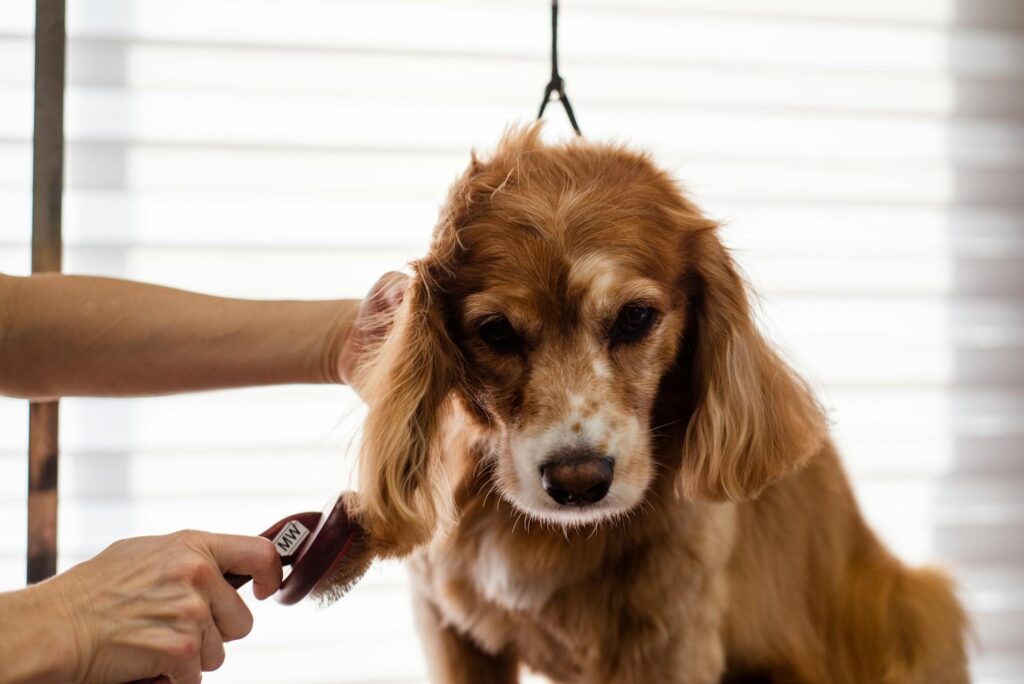
How to Keep Your Dog’s Coat Healthy Between Professional Grooming Sessions A healthy coat does more than help your dog look good. It keeps them comfortable, supports healthy skin, and acts as a natural barrier to dirt, dust, and weather. Regular dog grooming is important for keeping coats in top shape, but what happens between professional appointments matters too. For dog owners in Atlanta, fall brings drier air and cooler days. You might notice your dog scratching more or their coat looking dull. Small changes to your routine can help your dog stay cleaner and softer through the season. The right habits don’t have to be time-consuming. Just a few minutes of care each week can keep your dog feeling and looking their best. Stick to a Brushing Routine Brushing is one of the simplest habits for coat care. Dogs with longer or double coats benefit from daily brushing that keeps tangles away and spreads healthy oils. If your dog has short hair, a good brush once a week can still do wonders. Choose the right brush for your dog’s coat.– Slicker brushes are great for detangling longer hair– Bristle brushes are better for short-haired breeds– Undercoat rakes work best to manage shedding in breeds prone to it Regular brushing removes loose hair and dirt before it can cause mats or itching. It’s also a good time to check for fleas, bumps, or dry patches. In the fall, when shedding increases in Atlanta, brushing can help cut down the hair you find around your home. Building this daily or weekly habit makes all your grooming efforts last longer. Bathe with Care, Not Too Often It’s easy to think a clean dog is a freshly bathed dog. Yet, too many baths, especially during cooler, dry months, can strip away the oils your dog’s skin needs. Overbathing may lead to flaky, itchy skin that isn’t fun for you or your pup. How often dogs need a bath varies. Dogs who enjoy rolling in leaves or romping through mud may need a bath every couple of weeks. More relaxed, short-haired dogs might only need one each month. At Coatly Bath & Groom, we use gentle, dog-safe shampoos that help keep coats moisturized and fresh. Picking the right formula prevents dryness even after outdoor play. When you do bathe, make it a gentle process:– Use lukewarm water and shampoo created for dogs– Focus on a light massage to spread moisture along the coat– Rinse thoroughly so nothing gets left behind After the bath, gently towel dry and use a comb or brush while the hair is still damp. This step keeps tangles to a minimum and helps the coat dry smoothly. Always avoid using human hair dryers because they can overheat sensitive skin. Pay Attention to Coat Changes Atlanta’s weather can shift quickly, sometimes from muggy and warm to cool and breezy overnight. Your dog’s coat and skin respond to these changes just like yours do. During the fall, watch for signs like dull fur, extra shedding, or patches of dry skin. Some things to look for:– White flakes or dandruff, particularly around the back and neck– Reddish areas or hot spots that your dog scratches often– A dull or rough feel to the fur– Extra fur left behind on beds or furniture If you see these signs, it may be time to brush more often or give your dog a gentle bath. For recurring redness or sores, consider speaking to your groomer at the next appointment. Early attention to small changes can prevent bigger problems later and help keep your dog happy all season. Keep Nails and Paws in Good Shape It’s pretty common to overlook your dog’s paws, but fall brings even more reasons to check them. Atlanta’s sidewalks and parks are often covered with leaves, small sticks, or acorns. These can hide underfoot, getting wedged between paw pads or stuck to fur. Quick routine checks help keep your dog walking safely and comfortably:– Look for splinters or leaf debris between toes after every walk– Wipe off any dirt, sap, or grass to prevent irritation– Trim nails regularly if they start clicking on wood or tile floors Overgrown nails can change how a dog stands or moves, sometimes causing long-term paw pain. We offer nail clipping and paw tidy services that keep nails at a safe length. If the air feels particularly dry, try a pet-safe moisturizer or balm to keep paws soft, not cracked or rough. Groomers at Coatly can recommend products that are safe for regular use. Use Healthy Habits to Support a Shiny Coat Good grooming starts inside. Fresh water and a balanced diet both help create a healthy, shiny coat and hydrated skin. If your dog drinks less water as temperatures drop, change out the bowls more often or try a water fountain to encourage sipping throughout the day. Atlanta’s fall air can dry out pets as much as people. Using a humidifier indoors can help keep your dog’s skin from getting tight or itchy, especially at night when heaters are running. Don’t forget your dog’s bedding. Clean blankets and beds soak up loose hair, skin oils, and dirt over time. Washing bedding every week or two, especially during peak shedding season, can help reduce odors and keep the coat fresher between professional grooming. Simple Shifts for a Healthier Coat This Fall Every step you take at home adds up for your dog’s comfort. Regular brushing spreads healthy oils and keeps mats in check, while gentle baths maintain moisture. Keep nails neat and paws clear of autumn debris with quick checks after every walk. Hydrate, feed a balanced diet, and clean their bedding for a coat that looks its best. Adjusting your habits through Atlanta’s cool fall months means fewer issues for both you and your dog. Small routines last longer and stretch the results of your dog grooming visits. With a bit of attention every week, your dog can enjoy the season itch-free and show off

How to Keep Your Dog’s Coat Healthy Between Professional Grooming Sessions Read More »

Scroll to Top